
Clinic cleaning pricing
How Much Does Medical Office Cleaning Cost?
Clinical space is priced by what has to happen in each room, and how carefully. Square footage is only the starting point.
The short answer
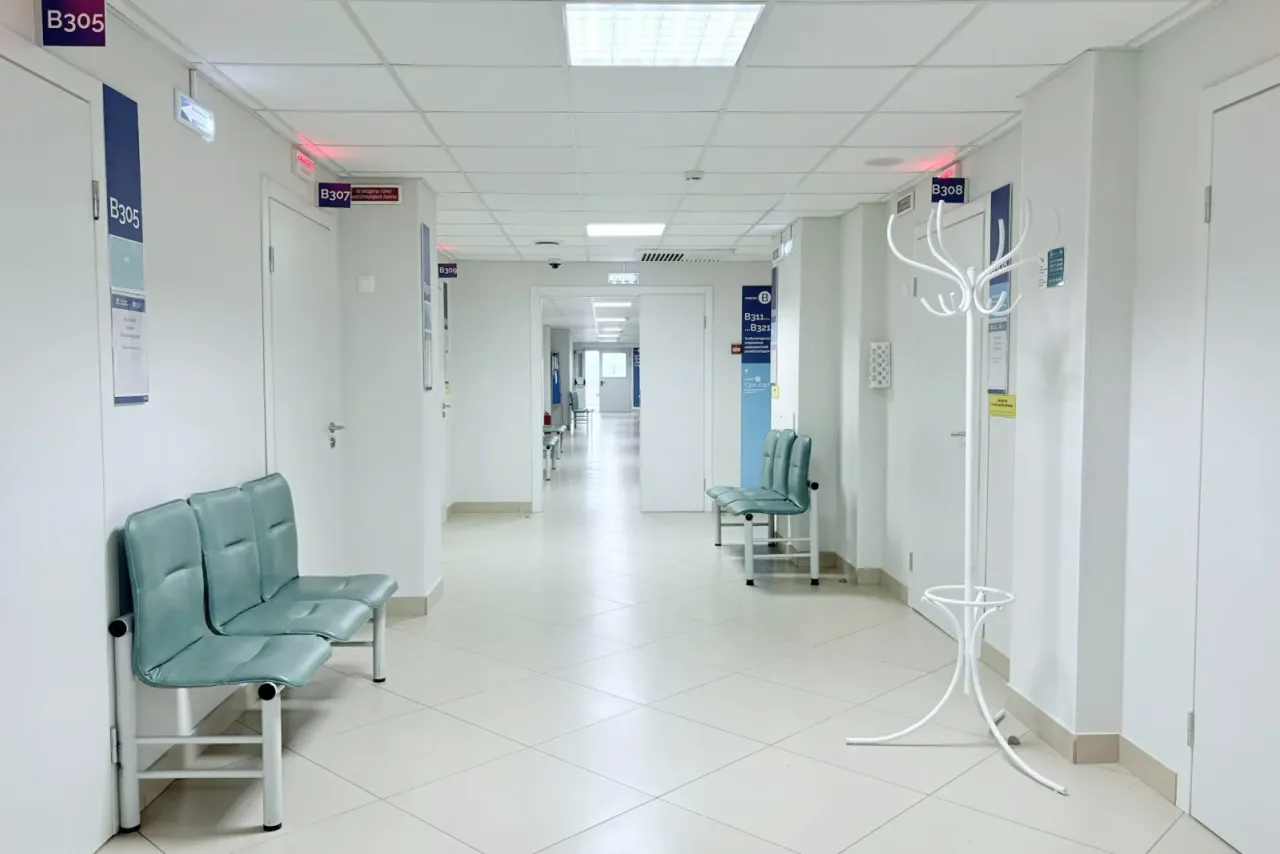
Medical office cleaning cost depends on the number of exam, procedure and treatment rooms, restrooms and waiting areas more than on raw square footage, because each clinical room needs disinfection with the product's label contact time observed. Bloodborne pathogen training under Cal/OSHA, limits on waste handling, patient-hour scheduling and documentation all add labor. A clinic full of small exam rooms usually costs more per square foot than an administrative office of the same size.
Why medical office cleaning cost is counted in rooms
Every exam room carries the same task list whether it measures 90 square feet or 140: exam table, counters, sink and faucet, door handles, light switches, chairs, the outside of dispensers and containers, trash, and the floor. Twenty exam rooms therefore mean twenty full sets of disinfection, plus the restrooms patients use all day. Administrative space, by contrast, cleans much like any office. That mix is why a quote built only on square footage is either padded or missing work.
| Room type | Main tasks | Labor per square foot |
|---|---|---|
| Exam room | Disinfect touch points, counters, sink, table surfaces; clean floor | High |
| Procedure or treatment room | Same as exam, more surfaces, more careful floor work | High |
| Patient restroom | Fixtures, partitions, dispensers, floor disinfection | High |
| Waiting room and check-in | Seating, counters, pens and clipboards, glass, floors | Moderate |
| Staff break room | Counters, sink, appliance fronts, tables | Moderate |
| Administrative offices | Trash, dusting, desks where cleared, vacuuming | Low |
How disinfectant contact time adds labor
Every EPA-registered disinfectant lists a contact time on its label: the period the surface must stay visibly wet for the product to achieve the kill claims printed there. Depending on the product and organism, that can run from about one minute to ten. Spraying and wiping dry immediately does not meet the label. Crews either wait, rewet surfaces or use a one-step product with a shorter contact time, and each choice has a cost. Product choice also matters on price: ready-to-use wipes cost more per use than concentrates diluted on site, but they make dose and contact time easier to control.
Training and wage rules that sit inside a clinic price
Cal/OSHA's bloodborne pathogens standard, Title 8 section 5193, applies to employees with reasonably anticipated exposure to blood or other potentially infectious materials, which can include cleaners working in clinical rooms. Their employer must keep an exposure control plan, train them at assignment and annually, offer the hepatitis B vaccine at no cost, provide protective equipment and arrange evaluation after any exposure. A vendor that does this properly carries real cost; one that quotes far lower may not be doing it.
Wages can differ too. California's health care worker minimum wage law (SB 525, Labor Code section 1182.14) lists janitorial and housekeeping work among covered roles at covered health care facilities and can reach some contractor staff. Whether it applies depends on the facility type and the facts, so check the Department of Industrial Relations guidance or ask counsel before comparing bids.
Waste handling: where the cleaning crew's job ends
Regulated medical waste is governed in California by the Medical Waste Management Act (Health and Safety Code sections 117600 to 118360) and moves from the clinic to a registered hauler. Janitorial crews remove ordinary trash and recycling, and may wipe the outside of waste containers, but sharps containers and biohazard bags stay with clinic staff. If a clinic expects the cleaning crew to consolidate red bags, that is a different scope with different training and liability, and most vendors will exclude it. Settle the line before pricing, not after the first visit.
Questions to put to medical cleaning bidders
Clinics and medical office buildings often receive bids that look similar on price but differ sharply in method. Ask every bidder the same questions in writing; the answers show which vendors priced the clinical work properly and which priced an ordinary office.
- Which disinfectants will you use, and what are their label contact times?
- Can you share your exposure control plan and training records?
- Who handles sharps containers and biohazard bags?
- How do crews treat patient records, screens and conversations they encounter?
- How are cloths and mops kept separate between restrooms, exam rooms and break rooms?
- How are restricted rooms such as labs or medication storage identified?
- What is logged after each visit, and who reviews it?
How EBS prices medical and clinic cleaning
EBS cleans medical offices, clinics and outpatient centers using EPA-approved disinfectants, with attention to contact time and coverage on high-touch surfaces and in restrooms. Crews follow HIPAA-conscious service protocols, wipe down the outside of medical waste containers in non-hazardous areas, and leave regulated waste to the clinic and its hauler. Restricted or higher-risk rooms are reviewed at the walkthrough, and the quote is built from your room counts, floor types and patient hours.
Related questions
Still not sure? A supervisor can answer at the walkthrough.
Request a walkthroughAll questionsIs healthcare cleaning cost per square foot a fair comparison?
Only between similar buildings. A dermatology suite with many exam rooms and a medical billing office of the same size have very different labor needs. Compare bids by room count and frequency first, and use the per-square-foot figure as a sanity check rather than the basis for a decision.
Must a clinic's cleaners be offered the hepatitis B vaccine?
If they have occupational exposure under Title 8 section 5193, yes. The employer, which is the cleaning contractor for its own staff, must offer the vaccine at no cost after training, and an employee who declines signs a declination. Ask the vendor to confirm this is in place.
How often does a clinic need cleaning, and how does that affect price?
Daily on every patient day is the norm for clinical rooms, restrooms and waiting areas. High-volume clinics often add a midday pass for restrooms and the waiting room, and floor scrubbing or refinishing is scheduled periodically based on traffic and floor type.
Will the cleaning crew clean medical equipment?
Generally no. Patient care equipment is usually cleaned by clinical staff under the practice's own infection prevention policy, while the cleaning crew handles environmental surfaces such as counters, floors, fixtures and touch points. Write the split into the scope so nothing falls between the two.
Keep reading
Free site walkthrough
Talk to EBS about your facility
A few details and a supervisor calls you back the same business day.
- Call(949) 375-3305
- Emailinfo@ebsmaintenance.com
- HoursDaytime, evening, overnight and weekend schedules