
Warehouse pricing
How Much Does Warehouse Cleaning Cost?
A warehouse quote is really several quotes in one: machine time on open concrete, office-style cleaning for finished space, and periodic overhead work.
The short answer
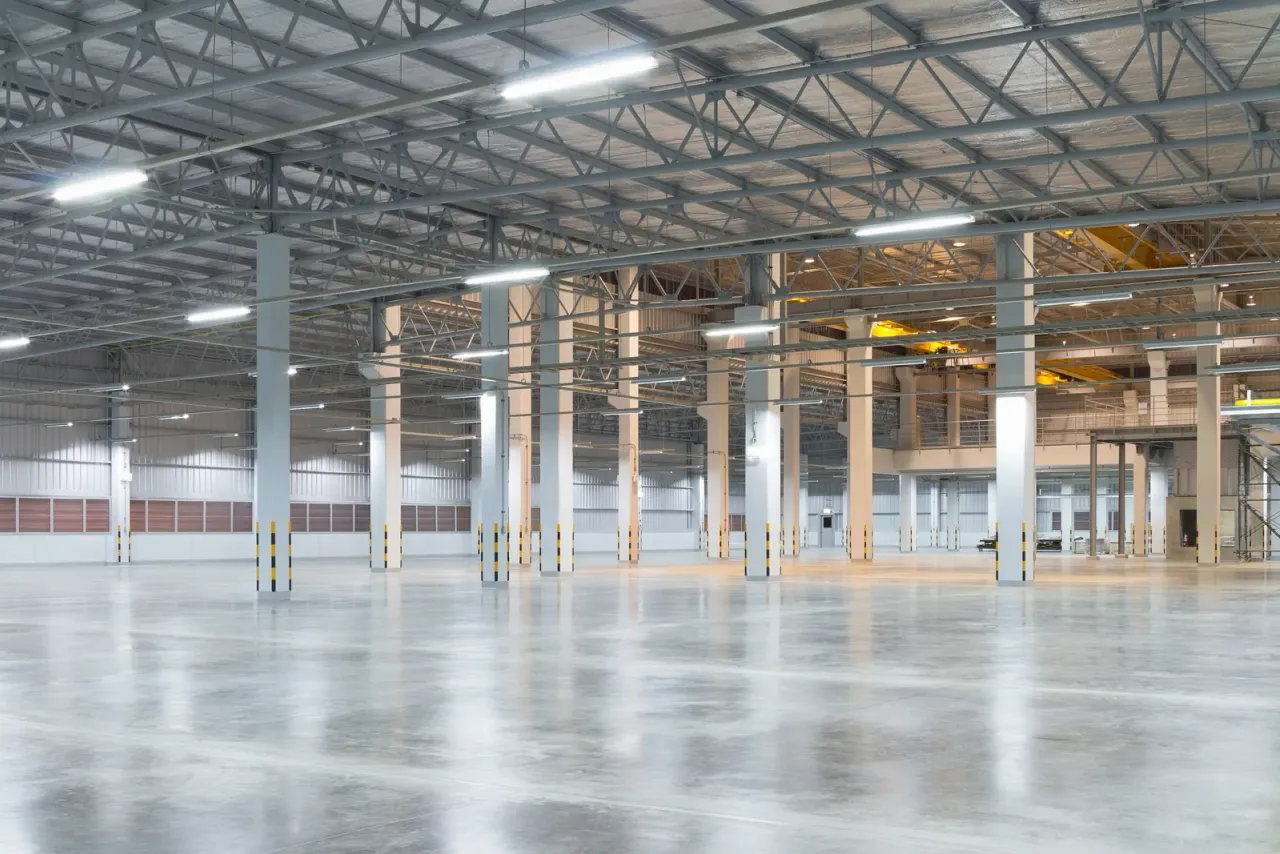
Warehouse cleaning cost depends less on total square footage than on how the building is used: how much is open concrete versus office build-out, how many scrubber hours the floor needs, how often racking and overheads are dusted, how busy the docks are, and which shifts the crew must work around. Offices, restrooms and break rooms are priced like any office, while the floor is priced by machine time. A good quote separates those parts so you can see what moves the total.
Is warehouse cleaning cost per square foot a useful number?
Only as a rough check. A ride-on scrubber clears wide, open aisles quickly, so a blended per-square-foot figure looks low when the whole building is averaged together. The finished space tells a different story: a mezzanine office, the shipping office, restrooms and a break room take far more labor per square foot than the racking floor. Two buildings of the same size can therefore price very differently. Ask bidders to break the price into zones, and compare zone to zone instead of comparing totals.
The cost drivers, zone by zone
Each zone of a distribution center has its own labor driver, and a building with heavy dock traffic or dusty racking can cost more to maintain than a larger, quieter one. The table shows where the hours go and what makes them grow.
| Zone | What drives the labor | What makes it grow |
|---|---|---|
| Open floor and wide aisles | Ride-on scrubber hours | Forklift tire marks, product dust, unsealed concrete |
| Narrow-aisle racking | Walk-behind machines and hand work at the edges | Pallets and equipment parked in aisles |
| Docks and staging | Debris, stretch wrap, pallet fragments, spills | Trailer volume and outdoor track-in |
| Overheads | Lift time to dust racking tops, beams, lights and ducts | Dust load and product that must be covered |
| Office build-out | Office-style janitorial tasks | Occupancy and number of private offices |
| Restrooms and break rooms | Fixture count and visits per day | Headcount on each shift |
What drives warehouse floor scrubbing cost?
Machine type and floor condition decide most of it. A ride-on scrubber covers a wide path and suits long open aisles, while congested areas and narrow racking need walk-behind units and more hand work around the edges. Sealed or polished concrete releases dirt easily; bare, dusty or oil-stained slabs take slower passes or a sweep before the scrub. Practical details matter too: where the crew can fill and empty recovery tanks, where batteries charge and how much of the floor is blocked by staged product.
Ownership of the machine is the other variable. A vendor-owned scrubber carries its purchase, maintenance and backup cost inside the price. If the facility already owns one, the contract should say who maintains it, who pays for brushes, pads and batteries, and what happens when it breaks down halfway through a shift.
How shifts and safety rules add hours
Cleaning while the building runs is slower. Crews wait for aisles to clear, follow the site's traffic plan, wear high-visibility vests and safety footwear, and step around forklifts, so each hour produces less. Shutdown windows at night or on weekends let machines run unobstructed but may carry premium pay. Many distribution centers split the work: restrooms and break rooms during operating shifts, scrubbing and dock cleaning when traffic stops.
Inland summers add another constraint. Cal/OSHA's indoor heat standard, Title 8 section 3396, applies when indoor temperatures reach 82 degrees Fahrenheit with employees present, and requires additional control measures at 87 degrees, or at 82 degrees where workers wear clothing that restricts heat removal or work near high radiant heat. Machine scrubbing and lift work in a hot building may need cooler hours, water and cool-down rest, and those are built into the schedule and the price.
What a warehouse cleaning quote should show
A quote that lists only a monthly total gives you nothing to compare, and it hides the assumptions that matter most. Ask every bidder on the list to show these lines in the same format so the gaps between proposals become visible.
- Square footage by zone: open floor, racking, docks, offices, restrooms
- Scrubber type, machine hours per visit and who owns the equipment
- High dusting frequency, lift type and who rents it
- Dock tasks, including stretch wrap, pallet debris and spill cleanup
- Shift window and any night or weekend premium
- Site safety orientation, PPE and traffic plan
- Cardboard, trash and recycling: who bales and who hauls
- Service logs and inspection reports delivered to you
How EBS prices large industrial floors
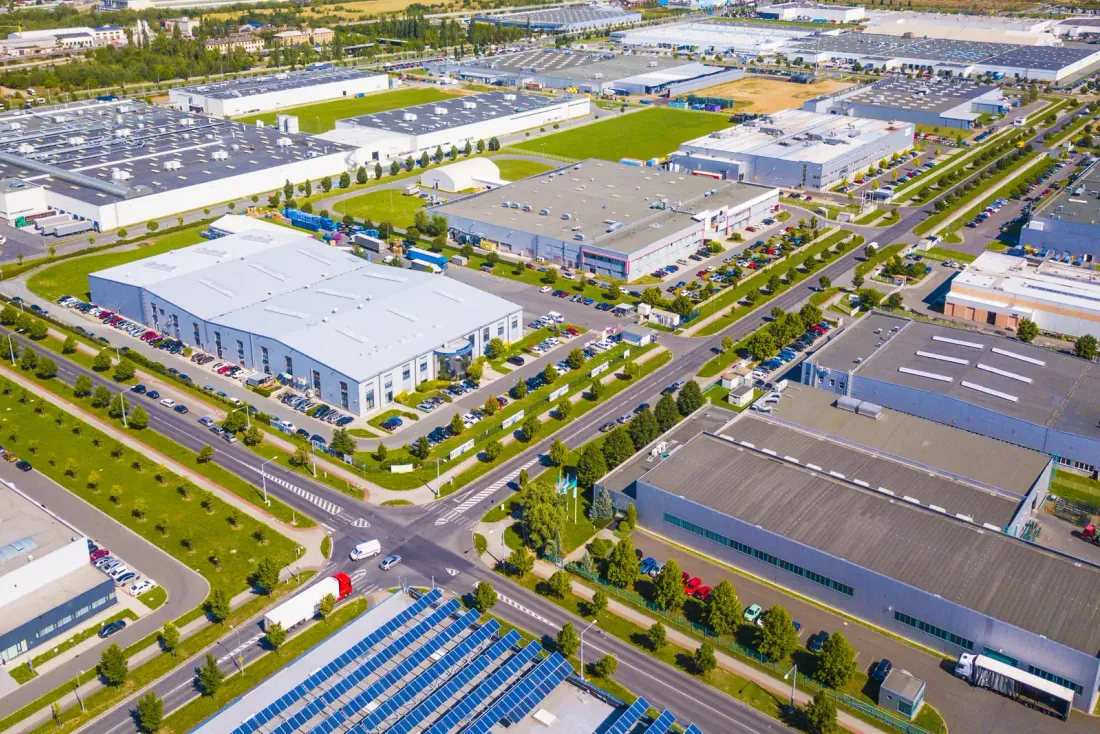
Big distribution buildings are routine work for EBS: more than 10 million square feet serviced over the years, and one contract by itself above 1 million square feet. A supervisor walks the site, separates the floor work from the office and restroom cleaning, and prices each piece. Programs cover machine scrubbing, docks and bays, racking lanes, high dusting and break areas, run overnight or on weekends when that suits operations, and come with service logs and inspection records your safety lead can review.
Related questions
Still not sure? A supervisor can answer at the walkthrough.
Request a walkthroughAll questionsIs it cheaper to clean while the warehouse is operating?
Not usually. Crews lose time waiting for aisles to clear and working around forklifts, so each hour does less. Daytime cleaning can avoid night premiums and after-hours security costs, which is why many sites clean restrooms and break rooms during shifts and leave scrubbing for a quiet window.
Why do bids for the same warehouse differ so much?
Bidders assume different scrubber hours, frequencies and zones. One may price a nightly scrub of every aisle, another a weekly scrub of main travel lanes only. Ask for hours by zone and frequency in a common format, and the spread usually narrows or explains itself.
Should we include high dusting in the monthly price?
Usually it works better as a separate periodic line. High dusting needs lifts, product protection and sometimes a partial shutdown, so it is scheduled a few times a year based on dust load rather than every month. Pricing it separately keeps the recurring number honest and the overhead work visible.
Can the cleaning contract handle cardboard and pallets?
Collecting loose cardboard, stretch wrap and broken pallet pieces from the floor and docks is normal cleaning scope. Baling, hauling and pallet recovery are usually handled by the facility or its waste and recycling providers, so the contract should state exactly where the cleaning crew's job ends.
Keep reading
Free site walkthrough
Talk to EBS about your facility
A few details and a supervisor calls you back the same business day.
- Call(949) 375-3305
- Emailinfo@ebsmaintenance.com
- HoursDaytime, evening, overnight and weekend schedules