
Cleanroom pricing
How Much Does Cleanroom Cleaning Cost?
In a controlled environment, most of the cost sits in procedure: gowning, technique, chemistry and records. The cleaning itself is the smaller part.
The short answer
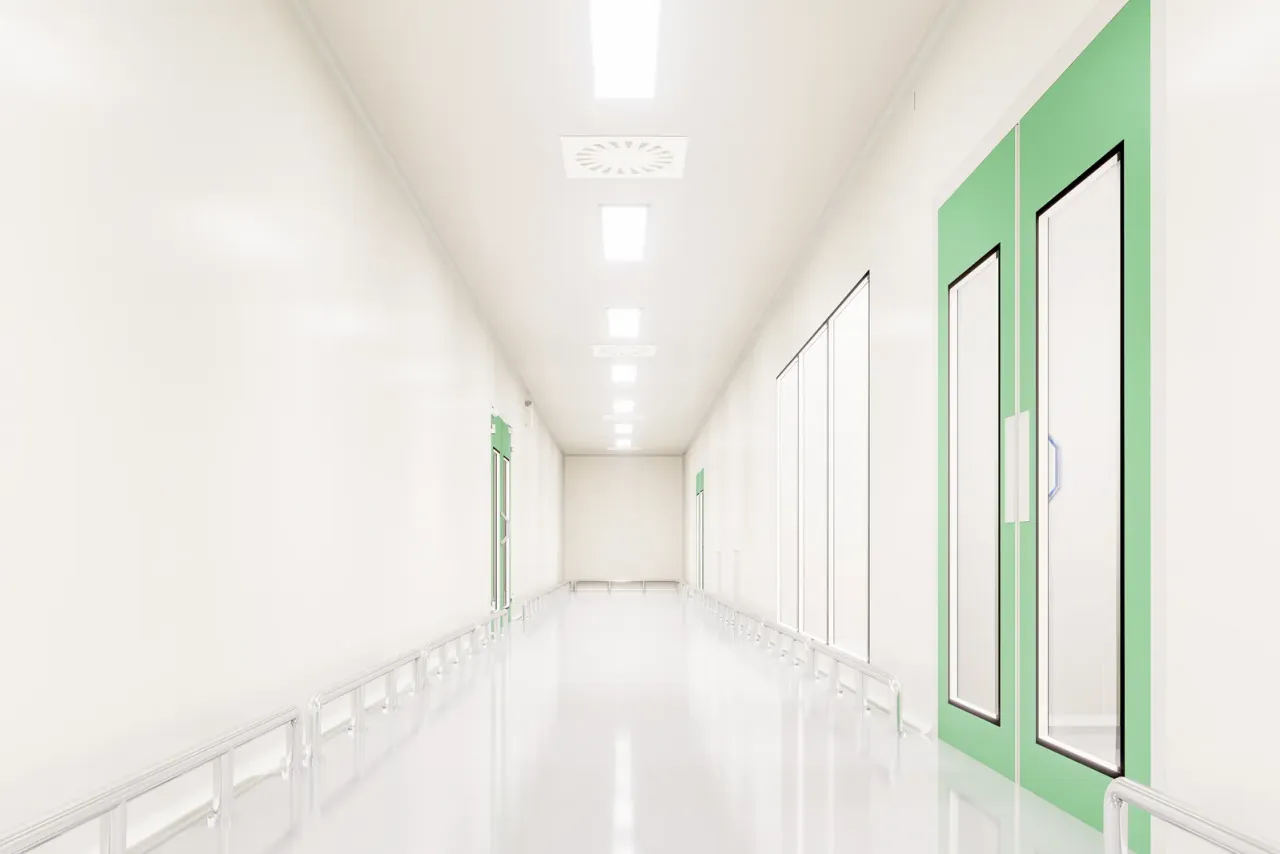
Cleanroom cleaning cost is set by the room's ISO class, the gowning time spent before any cleaning starts, the consumables used on each visit, the records your quality system requires, and how often each surface must be cleaned. An ISO 7 suite costs more per square foot than an ISO 8 support area because every step is slower and more controlled. Because pricing follows your SOPs, a credible quote is built from those documents rather than from a standard janitorial rate.
How does ISO class change cleanroom cleaning pricing?
ISO 14644-1 classifies cleanrooms by the maximum concentration of airborne particles allowed per cubic meter, from ISO 1 (cleanest) to ISO 9. At 0.5 microns, ISO 7 allows 352,000 particles per cubic meter and ISO 8 allows 3,520,000, a tenfold step. Each step toward cleaner air brings stricter gowning, low-particulate tools, slower and more disciplined technique, and often fewer people in the room at once. In sterile pharmaceutical manufacturing, the grades in EU GMP Annex 1 (A to D) add further expectations on top of the ISO class.
| Area | Typical controls | Effect on labor and materials |
|---|---|---|
| ISO 5 critical zones | Often cleaned by the client's trained operators under their SOP | Contractor scope is usually the surrounding room |
| ISO 7 rooms | Full gowning, sterile wipes and agents, disinfectant and sporicide rotation | Slowest pace and highest consumable use |
| ISO 8 rooms | Lighter gowning, non-shedding tools, controlled chemistry | Moderate pace and documentation |
| Gown rooms, airlocks, corridors | Set by the facility's own classification and SOP | Frequent, short visits that add up |
Why gowning and entry time are billable
No cleaning happens until the crew is gowned. Entering a classified suite means hand washing, hair and beard covers, shoe covers, a coverall or hood, boots, goggles, gloves and a mask, in the order the facility's procedure sets. Leaving and re-entering means re-gowning. A crew that covers several suites in one shift repeats that sequence each time, and tools and supplies have to be wiped down before they pass through an airlock or pass-through chamber.
Garments are a separate cost question. Some facilities issue single-use coveralls; others use reusable garments processed by a cleanroom laundry. Either way, the quote should state who supplies and pays for them, and how many gowning cycles a typical visit includes.
Consumables and chemistry: the line buyers forget
Classified rooms use sterile or low-lint wipes, sterile disinfectants, sporicidal agents and mop systems with single-use or sterilized heads, often with two or three buckets to keep clean and dirty solution apart. Many quality teams prefer to supply the disinfectants themselves, because those agents must match the facility's disinfectant efficacy studies and be traceable by lot number and expiry date. Whatever the split, put it in writing: a price that assumes the client supplies chemistry will look far lower than one that includes it.
What GMP documentation adds to the price
Records take real time on every visit. For drug manufacturers, 21 CFR 211.56(b) requires written procedures that assign responsibility for sanitation and describe the cleaning schedules, methods, equipment and materials, and requires that those procedures be followed. In practice, the crew signs a room log after each clean, records which agent and lot was used, notes when a prepared solution expires, reads and signs revised SOPs, and keeps training records current. Deviations need a written account. All of that is labor, and it belongs in the quote.
Frequency: the multiplier on cleanroom cleaning cost
Frequency usually comes from the client's SOP. For sterile compounding pharmacies, USP chapter 797 sets minimums, including daily cleaning of floors and work surfaces outside the primary engineering control on compounding days, and monthly cleaning of walls, ceilings and storage shelving, with a monthly sporicidal step. Manufacturing sites add cleans after maintenance work or an environmental monitoring excursion. Price the recurring program and event-driven cleans separately, with a per-room rate for unscheduled re-cleans, so surprises do not distort the monthly figure.
- Room list with ISO class, area and number of entries
- Current cleaning SOPs, log forms and gowning procedure
- Chemistry list and who supplies each agent
- Frequency matrix by surface and room
- Procedure for excursion-triggered cleans
- Training and qualification requirements for contractor staff
How EBS quotes a cleanroom program
EBS cleanroom programs are built to align with ISO and GMP requirements: full gowning, strict entry and exit discipline, non-shedding tools, HEPA-filtered vacuums and lint-free cloths. Each visit is recorded in cleaning logs and service reports, so the paper trail is ready when an auditor asks for it. Pricing begins with a walk of the suites and a read of your SOPs, which means the quote reflects your classifications, frequencies and documentation load instead of a flat rate.
Related questions
Still not sure? A supervisor can answer at the walkthrough.
Request a walkthroughAll questionsIs cleanroom cleaning priced per square foot or per room?
Often per room or per visit. Gowning, entry and documentation happen once per room regardless of its size, so a small suite costs nearly as much as a large one. Per-square-foot pricing still works for large ISO 8 areas and unclassified support space.
Who should supply cleanroom disinfectants and sporicides?
Commonly the client. The agents must match the facility's disinfectant efficacy data and be traceable by lot, so many quality teams control purchasing themselves. The contractor then supplies tools and labor, and the contract states who is responsible for preparing, labeling and discarding solutions.
Does the contractor clean inside biosafety cabinets or isolators?
Usually not. Critical work zones such as hood and isolator interiors are commonly cleaned by the client's trained operators under their own procedure, while the contractor cleans the room around them. Write that boundary into the scope so nobody assumes the other party has it covered.
What can raise the price after the contract starts?
Added rooms, a reclassified suite, a new sporicide step, higher frequency after adverse monitoring trends, new log forms or a wage increase. A good contract names how each of those changes is priced, so adjustments are calculated rather than negotiated from scratch.
Keep reading
Free site walkthrough
Talk to EBS about your facility
A few details and a supervisor calls you back the same business day.
- Call(949) 375-3305
- Emailinfo@ebsmaintenance.com
- HoursDaytime, evening, overnight and weekend schedules