
Cleanroom chemistry
What Is Disinfectant Rotation in a Cleanroom?
Rotation is often explained as a way to stop germs becoming resistant. The better reason is spores, and getting that right changes how a schedule is built.
The short answer
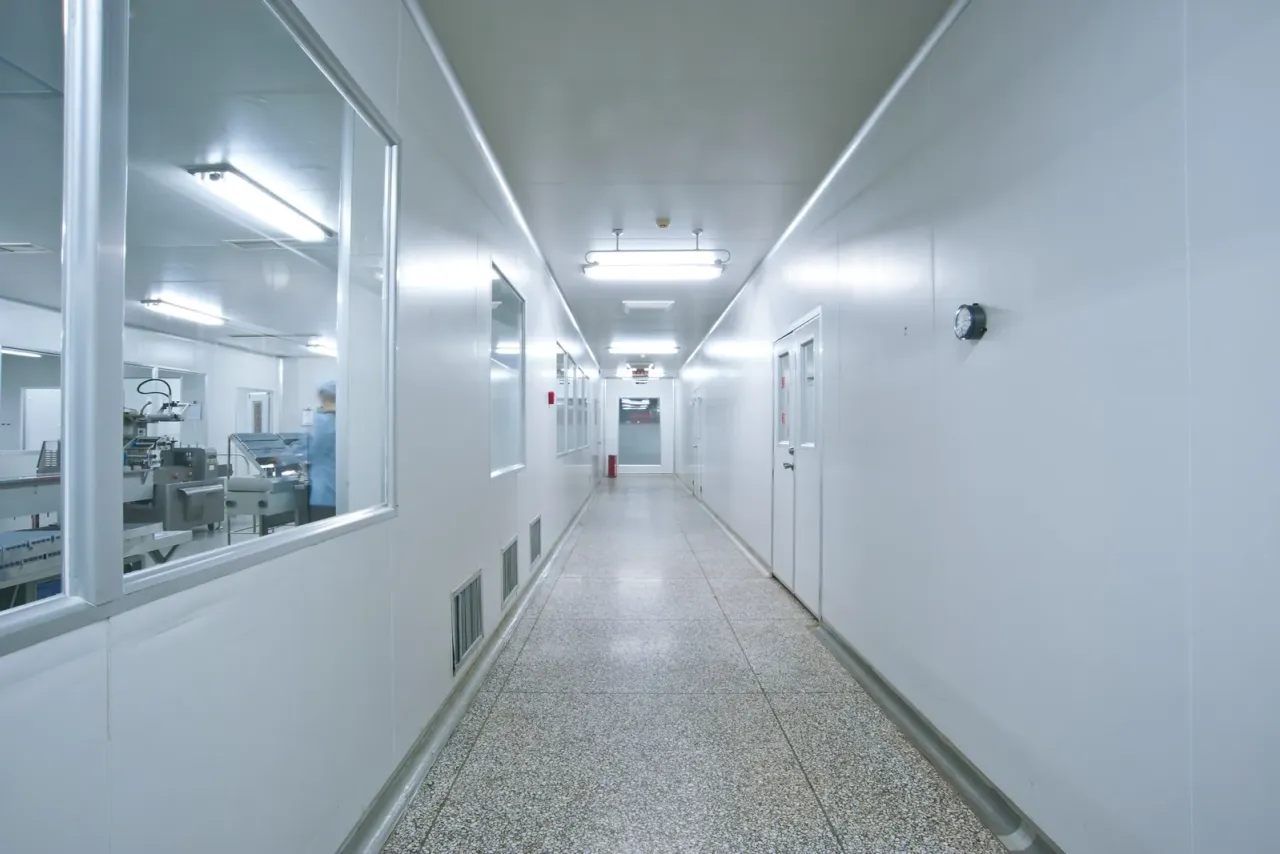
Cleanroom disinfectant rotation means alternating a routine disinfectant with a sporicidal agent on a set schedule, so bacterial spores and hardy fungi that the everyday product cannot kill are dealt with regularly. USP chapter 1072 encourages rotating an effective disinfectant with a sporicide, and EU GMP Annex 1 expects more than one type of agent, including periodic sporicide use. A typical schedule uses the routine product daily and the sporicide weekly or monthly, adjusted to environmental monitoring results.
Why rotate at all? Spores, not resistance
Alcohols, quaternary ammonium compounds and phenolics kill vegetative bacteria and many fungi, but bacterial endospores, such as those formed by Bacillus and Clostridium species, survive them. Sporicides, typically hydrogen peroxide and peracetic acid blends or sodium hypochlorite, do kill spores. They are also harsher on surfaces and people, which is why few sites use them every day.
The older argument was that microorganisms adapt to one disinfectant the way bacteria adapt to antibiotics, so products had to be swapped. USP chapter 1072 discounts that risk: disinfectants are applied at high concentrations to small, mostly dormant populations, which leaves little room for resistance to develop. Its recommendation is practical: rotate an effective disinfectant with a sporicide, rather than cycling through several ordinary disinfectants.
What a cleanroom disinfectant rotation schedule looks like
USP chapter 1072 suggests augmenting daily use of a bactericidal disinfectant with weekly or monthly use of a sporicidal agent, and notes that daily sporicide use is not generally favored because these agents corrode surfaces. PDA Technical Report 70 adds that any rotation should be justified by area classification, monitoring data or risk assessment. The patterns below are illustrations of how that plays out, not prescriptions.
| Area | Routine agent | Sporicide | Residue removal |
|---|---|---|---|
| Aseptic critical zones | Sterile disinfectant or sterile alcohol at each clean | Weekly or as the SOP sets | Sterile alcohol or sterile water wipe |
| Aseptic background rooms | Sterile disinfectant daily | Weekly | Scheduled rinse, often monthly |
| Compounding buffer rooms | Disinfectant daily on compounding days | At least monthly under USP 797 | As residue appears or on schedule |
| ISO 8 support rooms | Disinfectant daily | Monthly or longer if data supports it | Periodic rinse |
Rules that keep a rotation working
A rotation only works if each agent is used the way its efficacy was proven. EU GMP Annex 1 asks manufacturers to demonstrate that disinfectants work in the specific manner in which they are used, which usually means efficacy studies on coupons of the facility's own surface materials, challenged with organisms isolated from its own monitoring program.
- Clean before disinfecting; soil and residue shield organisms from the agent
- Keep surfaces wet for the full contact time on the label or in the efficacy study
- Date and label diluted solutions and discard them at their validated in-use expiry
- Use sterile agents in Grade A and B areas, as Annex 1 expects
- Never mix agents in a bucket or apply one directly over another
- Mark sporicide days clearly on the cleaning calendar and log
- Use products registered with the EPA where they carry public health claims
When monitoring data should change the rotation
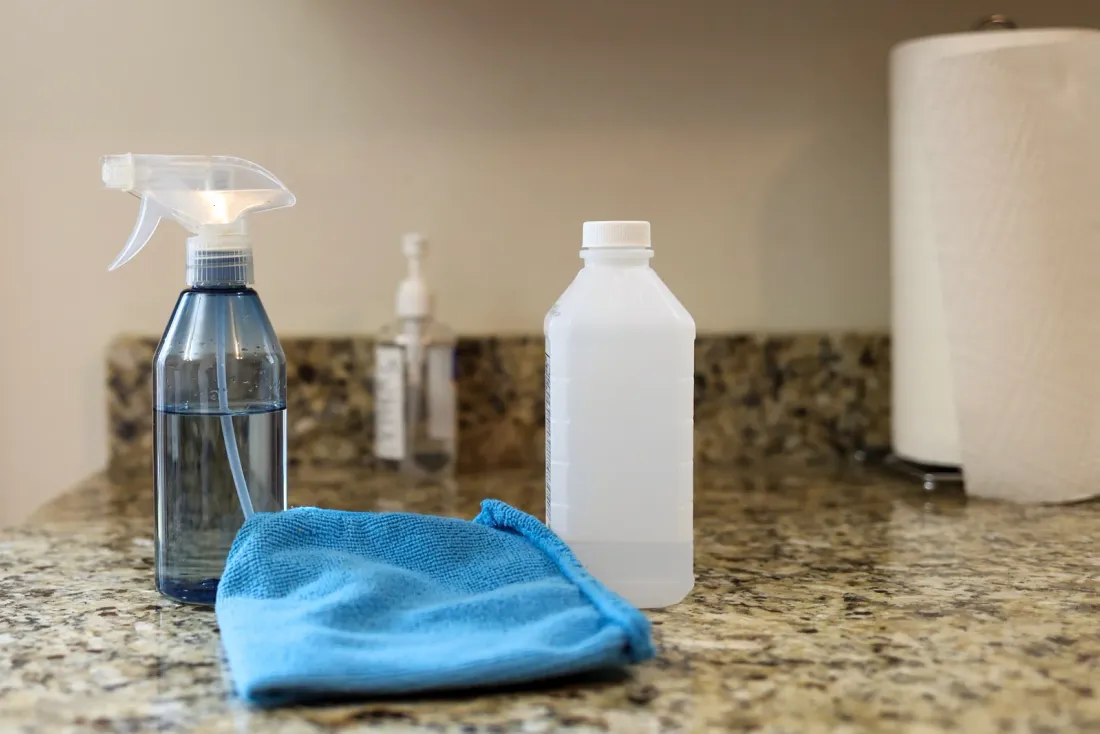
Monitoring is how a site knows its rotation is right. Annex 1 calls for regular monitoring to assess disinfection effectiveness and to detect changes in the types of organisms present, including any that resist the current regime. In practice, the triggers are recurring spore-forming isolates, mold recovered from surfaces or air, an upward trend in one room, or contamination following construction, water leaks or a long shutdown. Each is a reason to apply the sporicide more often, at least for a period.
The data can point the other way, too. White films, sticky floors, hazed vision panels or pitting on stainless steel usually mean residue is building up. The answer may be a more frequent rinse step, not a longer gap between sporicide applications.
Who controls the chemistry
In most GMP facilities the quality unit chooses the agents, because they must match the efficacy studies, and controls changes through change control. The contractor prepares and applies them exactly as the SOP states. Sporicides such as peracetic acid blends carry real hazards, so the contractor must also hold safety data sheets and train its crew under Cal/OSHA's hazard communication standard, Title 8 section 5194, and supply the right gloves, eye protection and ventilation guidance.
How EBS applies your rotation
EBS cleanroom programs are aligned with ISO and GMP requirements and use cleanroom-safe products with non-shedding tools and lint-free cloths. Your approved agents, contact times and rotation calendar are written into the scope, and each visit is recorded in cleaning logs and service reports, so the quality team can see which agent was used in which room on which day.
Related questions
Still not sure? A supervisor can answer at the walkthrough.
Request a walkthroughAll questionsDo cleanroom disinfectants need to be rotated to prevent microbial resistance?
Not for that reason, according to USP chapter 1072. Resistance to disinfectants at use concentrations is considered unlikely. The reason to rotate is coverage: everyday disinfectants do not kill bacterial spores, so a sporicide is brought in on a schedule.
How often should a sporicide be used in a cleanroom?
Weekly to monthly in most programs. USP chapter 1072 suggests weekly or monthly use alongside a daily disinfectant, and USP chapter 797 sets at least monthly for compounding areas, with weekly application inside the hood for the highest-risk compounding category. Monitoring data then tightens or relaxes the interval.
Can a sporicide be used as the daily disinfectant?
It is possible, but rarely advisable. Sporicides corrode stainless steel and other finishes, leave residues and expose staff to stronger chemicals. USP chapter 1072 notes daily sporicide use is not generally favored, which is why most programs reserve it for scheduled days and events.
Why do cleanrooms need a residue removal step?
Dried disinfectant residue becomes a film that can flake into particles, make floors slippery and reduce how well later applications work. Annex 1 expects cleaning programs to remove disinfectant residues, typically with sterile water or sterile alcohol wiped over surfaces on a set interval.
Keep reading
Free site walkthrough
Talk to EBS about your facility
A few details and a supervisor calls you back the same business day.
- Call(949) 375-3305
- Emailinfo@ebsmaintenance.com
- HoursDaytime, evening, overnight and weekend schedules