
Labs, cleanrooms, biotech
Life Sciences Facility Cleaning
Cleaning for research labs, cleanrooms, biotech and pharmaceutical sites, run to your procedures and documented on every visit.
The short answer
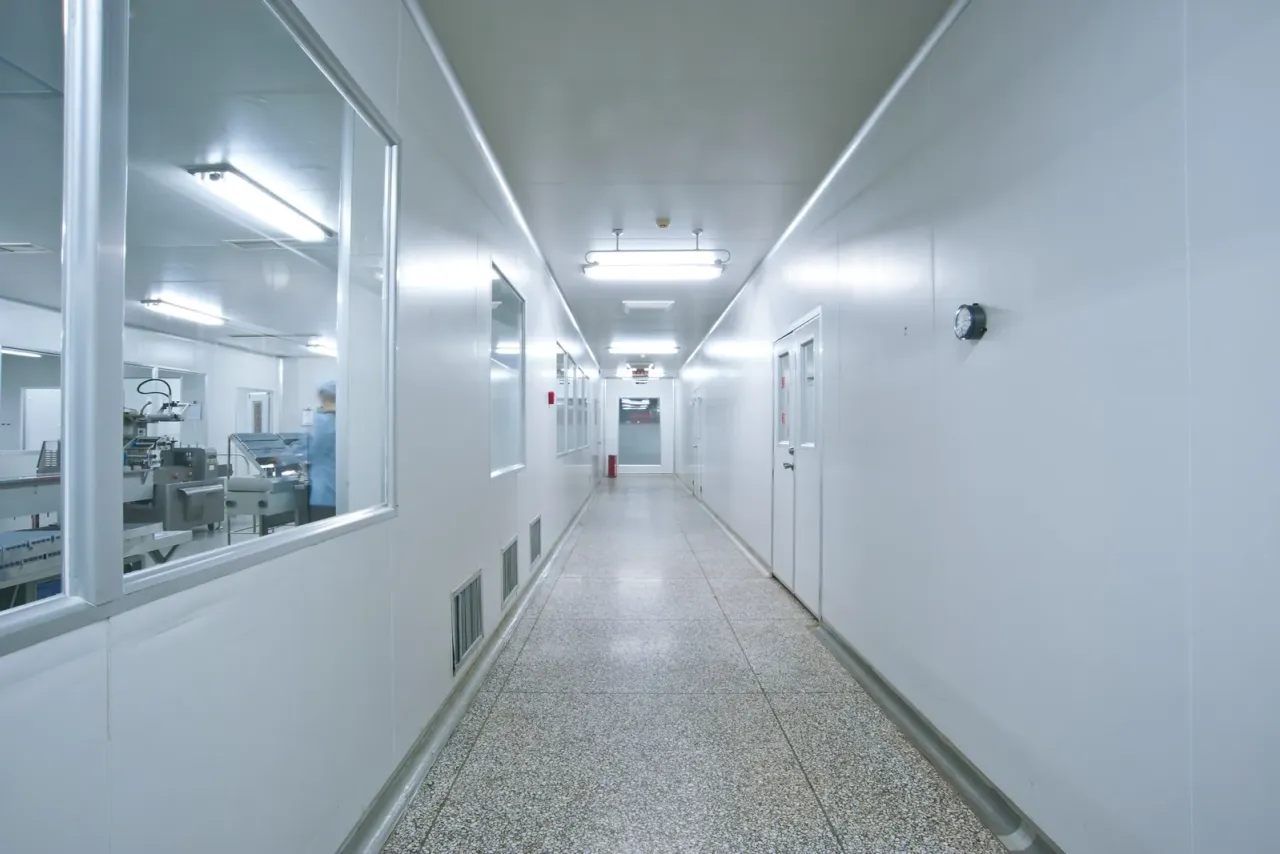
EBS Maintenance provides life sciences facility cleaning for research laboratories, cleanrooms, biotech and pharmaceutical production sites and the offices around them. Cleanroom programs are aligned with ISO and GMP requirements, crews follow the site's gowning and cleaning procedures, and each visit is recorded in cleaning logs and service reports so the facility stays audit-ready. Benches, floors and touchpoints are cleaned with the products and tools each zone allows.
What life sciences facility cleaning includes
The scope comes from the original EBS life sciences program, and each task is written into a site procedure before the first visit. In a lab, the order of work and the tools used matter as much as the result, so nothing is left to habit.
- Cleanroom cleaning to ISO and GMP requirements: dedicated tools, low-lint wipes, approved agents, top-to-bottom and clean-to-dirty sequencing
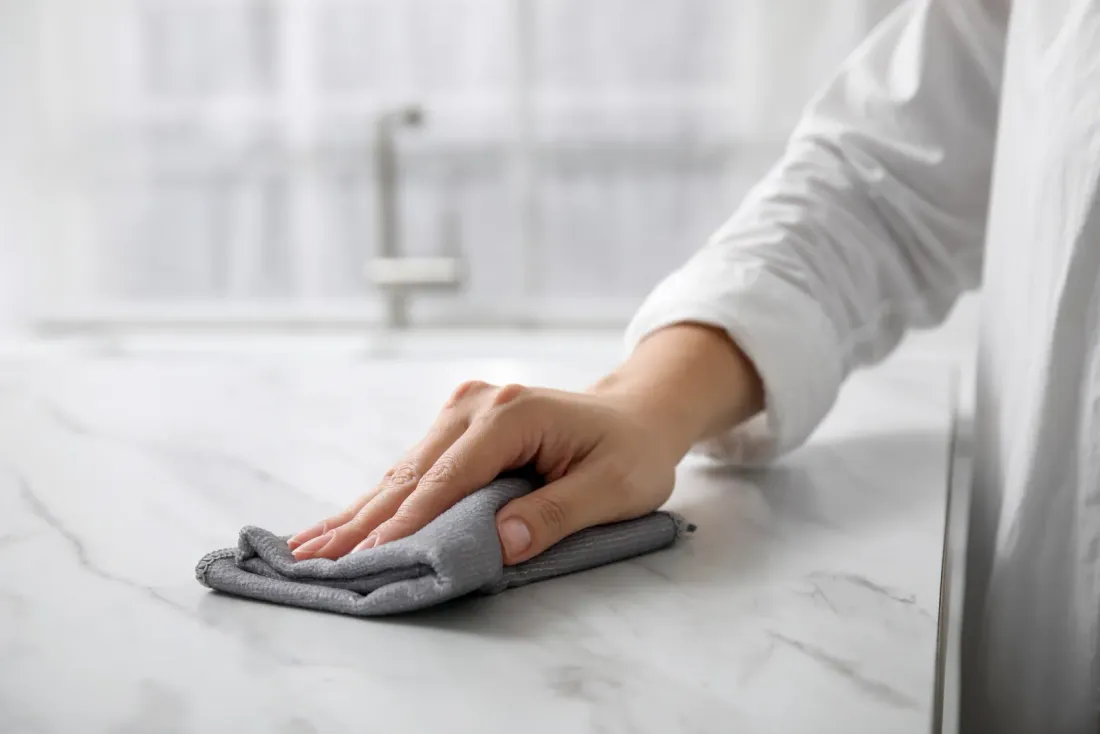
- Lab surfaces, benches and equipment exteriors: cleaned once researchers have cleared and decontaminated their work, so samples are never disturbed
- Air vents, filter grilles and ceilings: wiped on a schedule to cut down particles that settle on work surfaces
- Touchpoints in research and production zones: door plates, handles, switches and shared controls disinfected with EPA-registered products
- Controlled waste and biohazard coordination: regular waste removed, biohazard containers left for the site's licensed program
- Restrooms, locker rooms and break areas: cleaned to the same standard so contamination is not carried into the lab
- Floors: cleanroom-safe mops and HEPA-filtered vacuums, with chemicals chosen for each floor and zone
- Documentation on every visit: checklists, cleaning logs and service reports the quality team can file
Standards and rules behind a lab cleaning program
ISO 14644-1 sets cleanroom classes from ISO 1 to ISO 9 by the number of airborne particles allowed, and the class decides how often surfaces are cleaned and how strict gowning is. Drug and device makers also answer to FDA current good manufacturing practice rules, 21 CFR Part 211 for finished pharmaceuticals and Part 820 for medical devices, which expect written cleaning procedures and records that show they were followed.
Research labs are organized by biosafety level under the CDC and NIH guide, Biosafety in Microbiological and Biomedical Laboratories. In California, Cal/OSHA Title 8 section 5191 governs chemical hygiene in laboratories and section 5193 covers work where human blood or other potentially infectious materials may be present. A cleaning crew works inside the site's own plans under these rules, which is why the walkthrough asks for them before a scope is written.
How the program changes from zone to zone
Most life sciences buildings combine several kinds of space under one roof, and each gets its own procedure.
| Zone | Typical approach |
|---|---|
| Offices, conference rooms, break areas | Standard janitorial program, often nightly, with green products available on request |
| General research labs | Floors, sinks, touchpoints and waste after researchers clear benches; restricted rooms entered only as permitted |
| Cleanrooms and controlled areas | Gowning, dedicated tools, approved agents and sequencing per class; every task logged |
| Production and packaging | Dust control and floor care scheduled between batches or shifts |
| Warehouse and receiving | Dust control, machine scrubbing and spill response around material traffic |
Schedules and staffing for labs and production sites
Lab cleaning services in research buildings usually run after experiments end for the day, while production areas are cleaned between shifts, between batches or during planned shutdowns. Weekend and overnight windows suit deep work such as floor scrubbing and ceiling cleaning. The same trained crew stays on a site wherever possible, because gowning steps and room sequences are learned by doing them, and backup staff are trained on the site's procedures before they are ever needed.
Supervisors inspect on a routine schedule and record results in eHub, alongside the cleaning logs, so a deviation and its corrective action are documented together. With more than 10 million square feet serviced, EBS also has the capacity for large campuses with lab, office and warehouse space on one contract.
Lab and cleanroom cleaning across Southern California
Teams travel from our Corona office to life sciences sites in five regions. Orange County's labs are concentrated in Irvine, Lake Forest and Aliso Viejo, with many medical device makers. Los Angeles County adds university and hospital research in Westwood, Pasadena and Duarte. In Riverside County, UC Riverside anchors research, and Temecula's employers include Abbott Laboratories. San Bernardino County's research centers on Loma Linda University Health, and San Diego County holds the Torrey Pines Mesa, Sorrento Valley and Carlsbad clusters. Each regional page covers what changes there.
Last reviewed October 9, 2026 by the EBS Maintenance team.
Questions we hear
Still not sure? A supervisor can answer at the walkthrough.
Request a walkthroughAll questionsCan your crews clean inside a BSL-2 lab?
Yes, within the lab's biosafety plan. Researchers decontaminate benches and secure samples first, and the crew then cleans floors, sinks, touchpoints and general waste, using the PPE and entry procedures the lab sets. Biohazard containers stay with the lab's own waste program.
What does an ISO- and GMP-aligned cleaning program mean in practice?
It means the program follows the site's written procedures for agents, tools, sequence and frequency, matched to each room's cleanliness class, and that every visit is documented in logs and service reports the quality team can show an auditor.
Do you dispose of biohazardous waste?
No. Regulated medical and biohazardous waste is handled by the facility's licensed waste program. EBS coordinates with that program, removes regular trash and recycling, and keeps the areas around waste containers clean.
How do laboratory cleaning services differ from office cleaning?
Laboratory cleaning services follow written procedures that set the order of work, approved chemicals, dedicated tools and documentation for each zone. Crews never touch samples or active experiments, and some rooms are entered only with permission or an escort.
Do you offer biotech facility cleaning for buildings with offices and labs together?
Yes. Biotech facility cleaning usually covers office floors, labs, cleanrooms and warehouse space under one contract, with a separate procedure for each zone and one supervisor responsible for the whole site.
Related services and guides
Free site walkthrough
Request a walkthrough
A few details and a supervisor calls you back the same business day.
- Call(949) 375-3305
- Emailinfo@ebsmaintenance.com
- HoursDaytime, evening, overnight and weekend schedules