
Sterile compounding
What Does USP 797 Require for Compounding Room Cleaning?
The 2023 revision of USP chapter 797 turned cleaning from a loose expectation into a schedule with minimums, and it reaches anyone who cleans the room.
The short answer
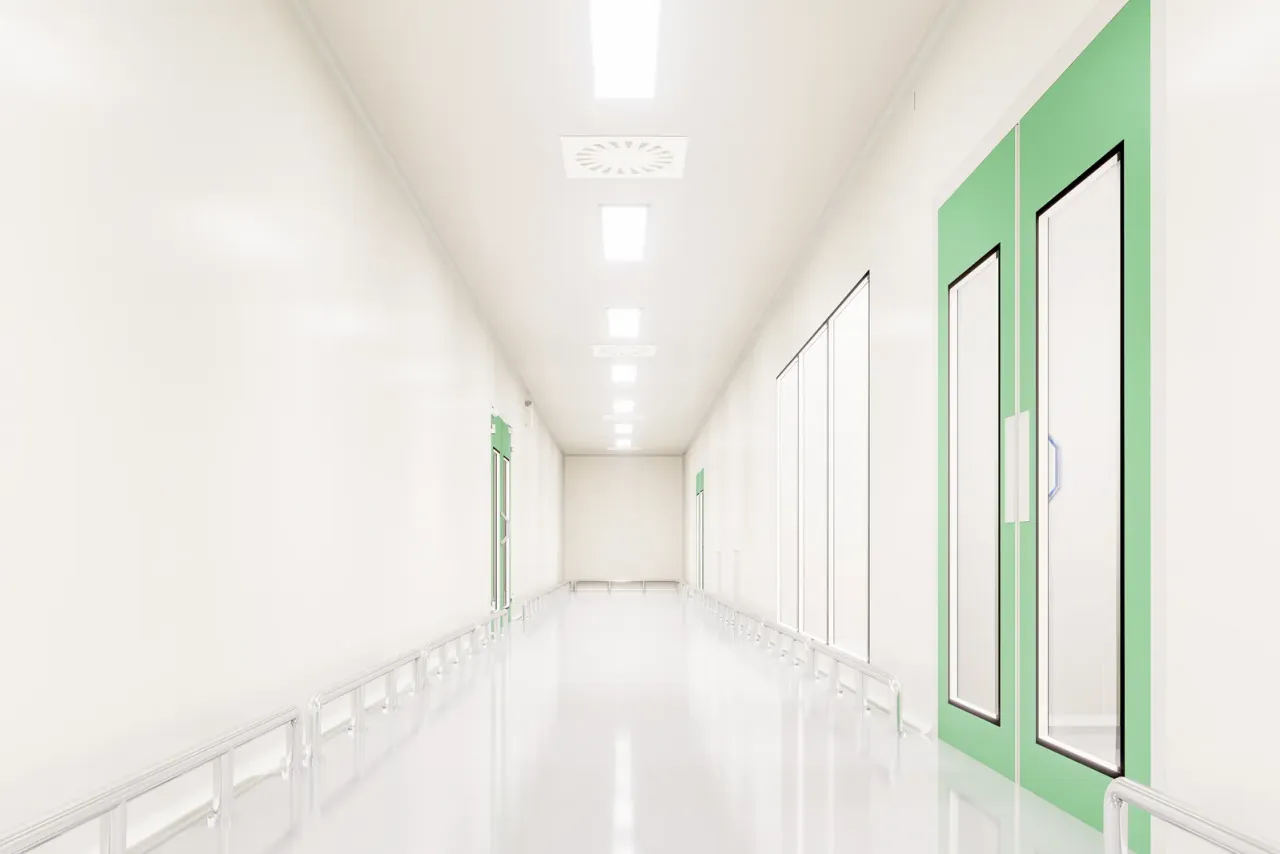
USP 797 cleaning requirements, in the chapter revised in 2023, set minimum schedules for cleaning, disinfecting and applying a sporicidal agent in sterile compounding areas: the hood, work surfaces and floors daily on compounding days; walls, doors, ceilings and storage shelving monthly; and a sporicide at least monthly. Agents used inside the hood must be sterile, and anyone who cleans the area must be trained and qualified before working alone. In California, Board of Pharmacy regulations build state requirements on top of the chapter.
What USP chapter 797 covers, and who enforces it
USP general chapter 797, Pharmaceutical Compounding, Sterile Preparations, sets standards for preparing compounded sterile preparations in pharmacies, hospitals, clinics and other settings. The current revision became official on November 1, 2023. It sorts preparations into Categories 1, 2 and 3 by how long they may be used, and the category affects some cleaning and monitoring intervals.
USP does not inspect anyone. State boards of pharmacy and accrediting bodies enforce the chapter. In California, the Board of Pharmacy's sterile compounding regulations in Title 16 of the California Code of Regulations, sections 1736 through 1736.21, took effect on October 1, 2025, replacing the former sections 1751 through 1751.10 and adding state requirements to the USP baseline.
USP 797 cleaning frequency, area by area
The chapter's frequency table covers classified rooms and the perimeter of a segregated compounding area. Each minimum also applies whenever surface contamination is known or suspected, such as after a spill, and after any event that could have compromised the room.
| Area | Clean and disinfect | Sporicidal agent |
|---|---|---|
| Hood or isolator interior and equipment inside it | Daily on compounding days | Monthly for Categories 1 and 2; weekly for Category 3 |
| Work surfaces outside the hood | Daily on compounding days | Monthly |
| Floors | Daily on compounding days | Monthly |
| Walls, doors and door frames | Monthly | Monthly |
| Ceilings | Monthly | Monthly |
| Storage shelving and bins | Monthly | Monthly |
USP 797 cleaning requirements for agents, supplies and technique
Three distinct steps run through the chapter: cleaning to remove residue and soil, disinfecting to kill microorganisms, and applying a sporicide to kill spores. Cleaning, disinfecting and sporicidal agents used inside the hood must be sterile, and concentrated agents diluted for use there must be diluted with sterile water. Agents are used according to the manufacturer's directions, including the wet contact time.
Wipers, pads and mop heads should be low-lint, and many pharmacies dedicate tools to the classified rooms so they never leave except for disposal. Cleaning moves from the cleanest area to the dirtiest: the buffer room before the ante-room, and high surfaces before floors. Wiping the hood work surface with sterile 70 percent isopropyl alcohol during compounding is a compounder's task, not part of a janitorial scope.
Training and garbing for staff who only clean
The 2023 chapter closes a gap that older versions left open. The pharmacy's designated person must make sure that personnel who restock or clean and disinfect, not only compounders, are trained and qualified before performing those duties independently, and that the training is documented. The pharmacy's SOPs define what each role must learn and how often training is repeated.
In practice, an environmental services worker or contract cleaner learns hand hygiene and garbing for the rooms they enter, the pharmacy's agents and contact times, the cleaning sequence, and how to complete the cleaning log. Staff with rashes, sunburn, weeping sores or respiratory infections report them before entering, as the chapter requires of everyone working in compounding areas.
Hazardous drug rooms: what USP 800 adds
Where hazardous drugs such as many chemotherapy agents are compounded, USP chapter 800 adds requirements. Surfaces go through deactivation, decontamination, cleaning and, in sterile areas, disinfection, because a disinfectant alone does not remove drug residue. Staff doing that work wear protective gowns and two pairs of chemotherapy gloves, and the ante-room serving a negative-pressure hazardous drug buffer room must be ISO 7. Cleaning waste from these rooms follows the pharmacy's hazardous waste procedures, and anyone who cleans there needs hazardous drug training as well.
How EBS supports compounding pharmacy cleaning
EBS cleanroom programs use full gowning, strict entry and exit procedures and non-shedding tools, and every visit is documented in cleaning logs and service reports for inspection readiness. The walkthrough covers your room classifications, frequency table and agents, and settles which tasks stay with pharmacy staff, such as hood interiors, so the scope matches your SOPs.
Related questions
Still not sure? A supervisor can answer at the walkthrough.
Request a walkthroughAll questionsCan a janitorial company clean a USP 797 cleanroom?
Yes, provided its staff are trained and qualified under the pharmacy's procedures before working on their own, and the training is documented. The designated person stays accountable for compliance, so most pharmacies keep hood interiors with compounding staff and assign the room surfaces, floors and ante-room to the cleaning team.
Is a segregated compounding area cleaned like a cleanroom suite?
Largely, yes. A segregated compounding area is an unclassified space with a hood, used for Category 1 preparations. The chapter's frequency table applies within its defined perimeter, so the hood, work surfaces and floor inside that perimeter follow the daily and monthly minimums.
Do compounding room floors need cleaning on days without compounding?
The daily minimums are tied to days when compounding takes place. Pharmacies that skip days typically clean and disinfect before work resumes, and the monthly tasks still fall due on schedule. The pharmacy's own SOP should spell out what happens after closures.
Does USP 797 apply in California?
Yes. The California Board of Pharmacy's sterile compounding regulations, in effect since October 1, 2025, align with the current USP chapter and add state-specific requirements. Pharmacies licensed in California must meet both, so cleaning programs should be checked against the state text as well as the chapter.
Keep reading
Free site walkthrough
Talk to EBS about your facility
A few details and a supervisor calls you back the same business day.
- Call(949) 375-3305
- Emailinfo@ebsmaintenance.com
- HoursDaytime, evening, overnight and weekend schedules