
Green cleaning
The Benefits of Green Commercial Cleaning
What switching to lower-impact products, tools and practices actually changes in a commercial building, plus a simple policy outline that makes the change stick.
The short answer
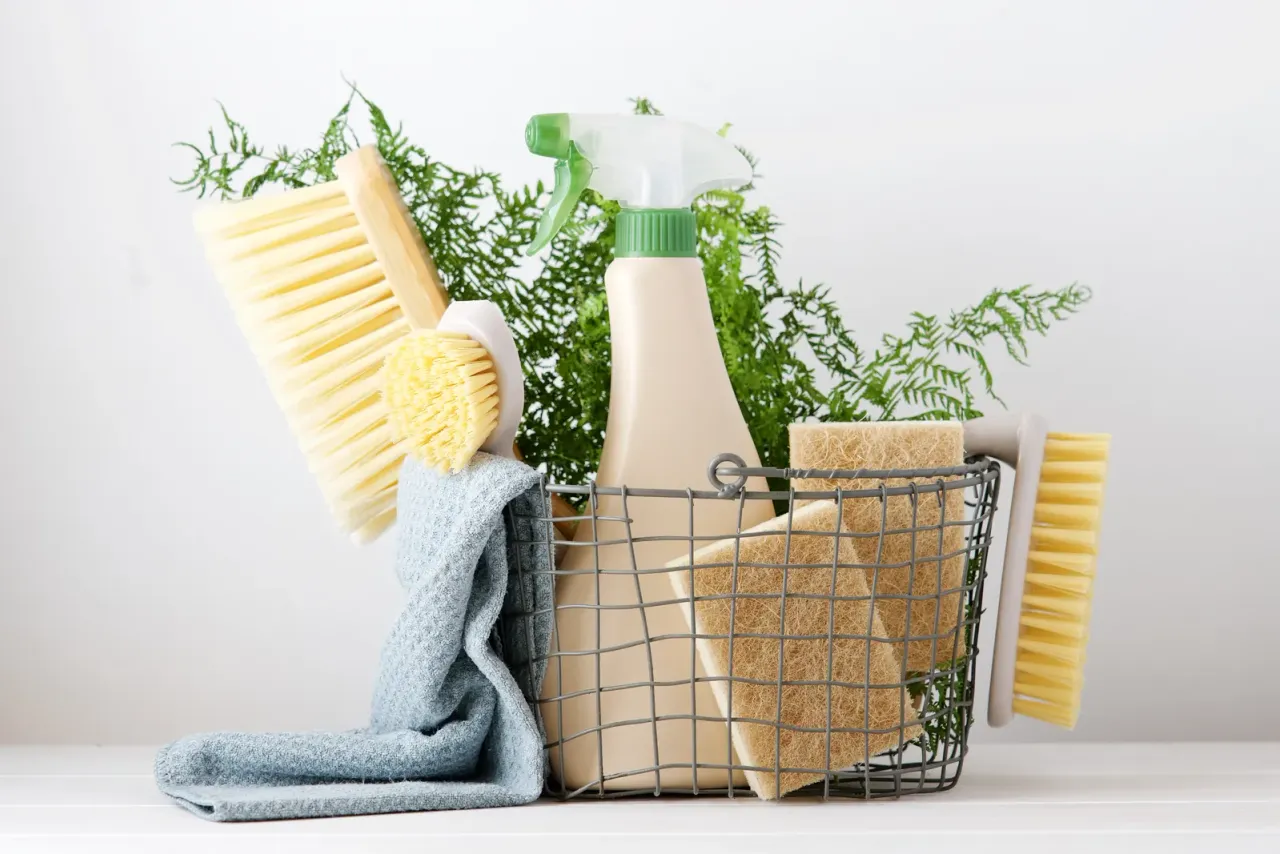
The main green commercial cleaning benefits are better indoor air with fewer fragrance and chemical residues, lower exposure for cleaning staff and occupants, less packaging and water waste, and records that support sustainability goals such as LEED for existing buildings. Green cleaning does not mean weaker cleaning. It pairs third-party certified products with microfiber, HEPA-filter vacuums and measured dilution, and it keeps EPA-registered disinfectants for the places where disinfection is genuinely needed.
Green commercial cleaning benefits, by who feels them
The case for green cleaning is usually made in environmental terms, but most of the benefits land inside the building. The table sorts them by the people and systems that notice the change.
| Who benefits | What changes | Why it matters |
|---|---|---|
| Occupants | Fewer fragrances and volatile organic compounds in the air | Fewer complaints from people with asthma, allergies or chemical sensitivities |
| Cleaning staff | Lower-hazard products and less handling of concentrates | Fewer skin and eye exposures, simpler training |
| The building | Microfiber and HEPA filtration capture dust instead of moving it | Cleaner surfaces and less dust reaching HVAC returns |
| Operations | Concentrates and dilution systems cut packaging and overuse | Less waste, less storage space, steadier consumption |
| Sustainability reporting | Products and practices are documented | Supports LEED operations credits and corporate reporting |
What eco-friendly commercial cleaning changes day to day
Products are the visible part. General cleaners, glass cleaners and restroom cleaners are chosen from those certified to a recognized standard, such as Green Seal GS-37, EPA Safer Choice or UL ECOLOGO. Dispensing systems measure each dilution, so crews stop guessing and pouring extra, which is where much of the chemical load in a building comes from.
Tools and habits do the rest. Microfiber cloths and mops trap fine dust and need less water and chemical. HEPA-filter vacuums keep what they pick up. Walk-off mats at every main entrance stop soil before it spreads through the building. Disinfectants are still used, but on restrooms, touch points and clinical areas rather than on every surface by default, and products carrying EPA's Design for the Environment logo are an option where they suit the job.
Green cleaning myths worth clearing up
Most objections to green cleaning come from early products or from confusion about what the label means. These four come up most often:
- Green products do not clean as well: certified products must meet performance requirements as well as health and environmental ones
- Green cleaning always costs more: compare cost per use rather than per bottle, since concentrates go further
- Vinegar and baking soda count as green cleaning: homemade mixes are untested, inconsistent and not disinfectants
- Green buildings skip disinfection: they disinfect where it is needed and clean everywhere else
Green cleaning for businesses: writing a basic policy
A written policy turns good intentions into a standard that survives staff and vendor changes. One or two pages is enough to start, and it should name an owner on your side and on the cleaning contractor's side. Cover these points:
- Scope: which buildings, floors and areas the policy covers
- Product standard: the certifications you accept for each product category
- Disinfection rule: where disinfection is required and where cleaning alone is enough
- Equipment: microfiber, HEPA-filter vacuums and quieter battery equipment where practical
- Dilution and storage: measured dispensing, labeled containers and safety data sheets on site
- Paper and liners: recycled content and liners sized to the bin
- Waste: recycling and organics sorting rules for each area
- Entryways: mats at main entrances, cleaned on a set schedule
- Training: how and when crews are trained on the policy
- Occupant role: food storage, clutter and reporting spills
- Review: an annual check of products, results and complaints
California rules that point the same way
Several state rules already push Southern California buildings toward greener practice. Under SB 1383, businesses must subscribe to organics collection and keep food and yard waste out of the trash, so sorting rules end up in the cleaning scope. The California Air Resources Board limits the volatile organic compound content of many cleaning products sold in the state, and the Cleaning Product Right to Know Act requires manufacturers to disclose ingredients on labels and online, which makes products easier to compare.
Green options at EBS
EBS Maintenance offers green cleaning on any program, using non-toxic, biodegradable products on request. A program can also switch to HEPA-filter vacuums and lower-energy machines, paper with recycled content, refillable soap systems and more sustainable can liners, following practices aligned with LEED and WELL standards. Handles, rails and similar touch points continue to be disinfected with EPA-approved products. A walkthrough, booked at (949) 375-3305, lets you price a green program beside your current one.
Related questions
Still not sure? A supervisor can answer at the walkthrough.
Request a walkthroughAll questionsDo green cleaning products disinfect?
Most do not. Certified green cleaners remove soil but are not registered to kill germs. Disinfecting requires an EPA-registered disinfectant used as its label directs. For green programs, look for disinfectants bearing EPA's Design for the Environment logo, a sign the product meets stricter hazard criteria.
Will switching to green cleaning change our janitorial price?
Often only slightly, and sometimes not at all. The difference depends on the products chosen, any new equipment and how well dilution is controlled. Concentrates and microfiber reduce consumption, so ask your contractor to price the green and conventional programs side by side.
How long does it take to move a building to green cleaning?
A few weeks is typical. Old stock is used up or removed, dilution systems and mats are installed, the crew is trained, and occupants are told what is changing. Running the new program for a month before judging results gives a fair picture.
Keep reading
Free site walkthrough
Talk to EBS about your facility
A few details and a supervisor calls you back the same business day.
- Call(949) 375-3305
- Emailinfo@ebsmaintenance.com
- HoursDaytime, evening, overnight and weekend schedules