
Region-wide overview
Commercial Building Cleaning Services in Southern California
One region, very different buildings. A downtown tower, a medical office building, an inland distribution center and a desert resort all need cleaning, but not the same cleaning.
The short answer
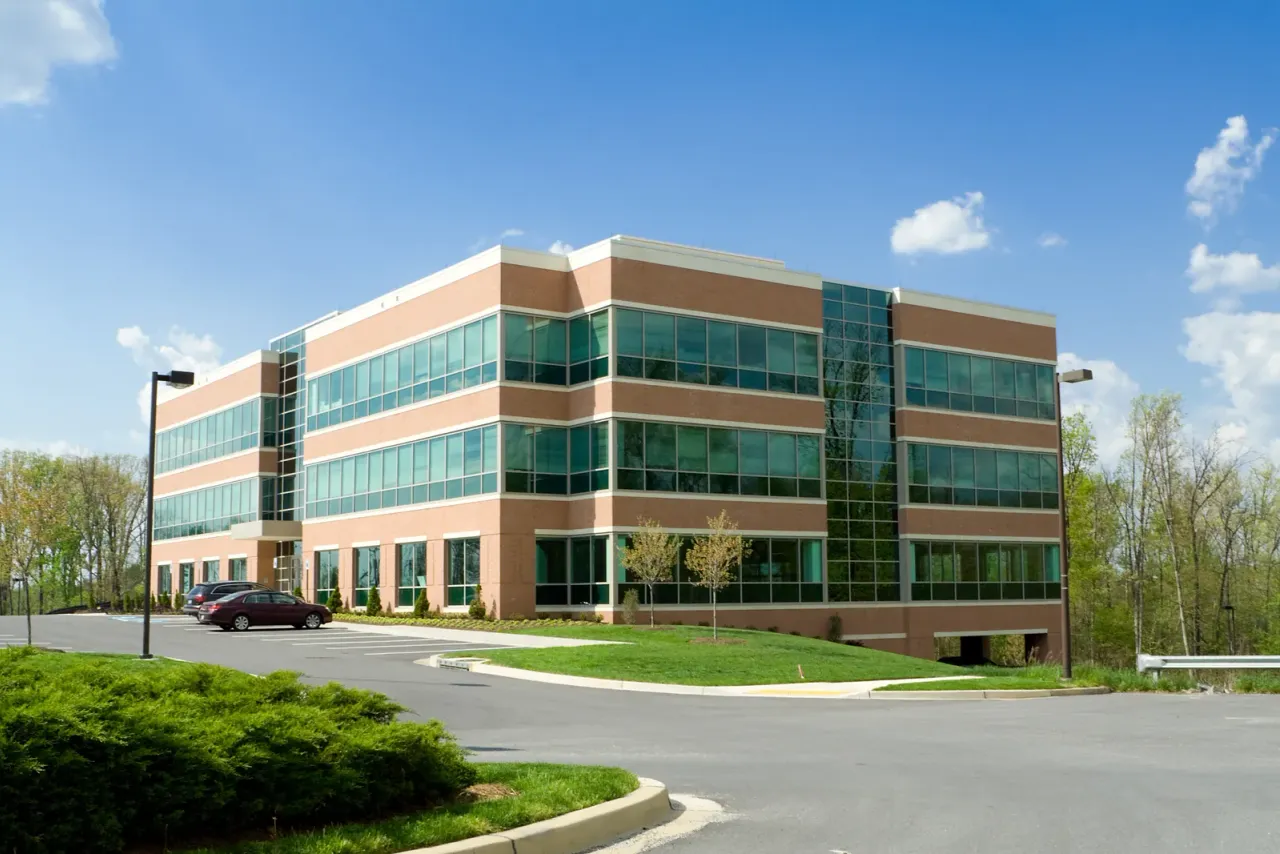
Commercial building cleaning services in Southern California cover the shared and tenant spaces of offices, medical buildings, industrial properties, retail centers and public facilities: lobbies, restrooms, corridors, elevators, stairwells, floors and glass, plus periodic floor care, pressure washing and project work. The scope shifts with the type of building and with the county, from coastal sand and salt air to inland dust and desert heat, so it should be written one building at a time.
What whole-building cleaning covers
Building cleaning is broader than cleaning the offices inside it. It takes in the spaces every occupant shares and the back-of-house areas visitors never see, and it pairs daily work with periodic projects that protect finishes. In a multi-tenant property the landlord usually buys the shared-area work and each lease defines what happens inside the suites.
- Lobbies, entries, elevator cabs and common corridors
- Shared restrooms, cleaned, disinfected and restocked
- Stairwells, parking-structure elevator lobbies and exit paths
- Loading docks, trash enclosures and recycling and organics rooms
- Floor care, carpet extraction and interior glass on set cycles
- Pressure washing of entries, walkways and plazas
How the work changes by building type
Every building type has its own pressure points. The table shows where cleaning attention tends to go and when the work usually happens. Treat it as a starting point: a walkthrough then refines it for the specific property, its tenants, its finishes and the hours it is actually occupied.
| Building type | Cleaning priorities | Usual schedule |
|---|---|---|
| Multi-tenant office | Lobby presentation, restrooms, tenant suites to lease specification | Night crew, with day porters in busy buildings |
| Medical office building | Exam and waiting rooms, high-touch disinfection, clinical waste boundaries | Evenings after clinics close |
| Industrial and flex | Floors, docks, break areas, dust control | Around shifts, often overnight or weekends |
| Retail center | Entries, storefront glass, shared restrooms, food court areas | Early morning before opening, plus daytime touch-ups |
| Public and government buildings | Public lobbies, restrooms, secure areas under access rules | After hours, with escorts where required |
Commercial building cleaning services in Southern California, county by county
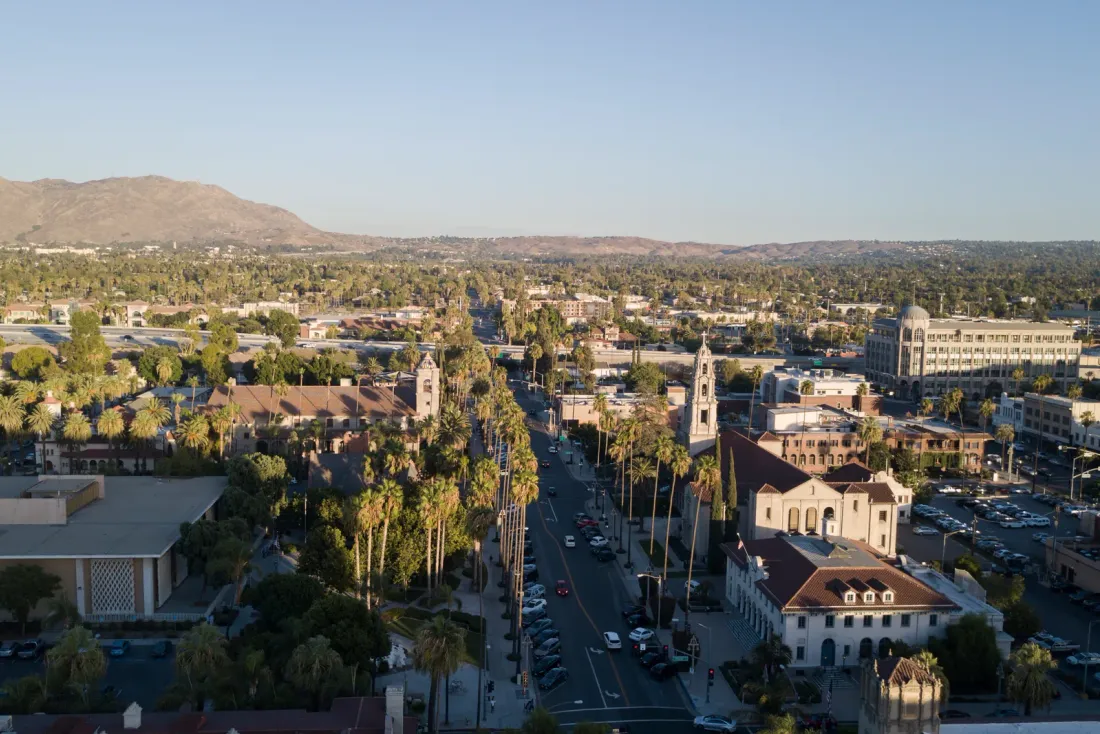
Los Angeles County mixes high-rise offices downtown and on the Westside with the industrial and aerospace buildings of the South Bay and the office parks of the San Fernando and San Gabriel valleys, so programs range from tower logistics to factory floors. Orange County leans toward office, medical and research space in its central cities and light industrial property in the north.
The Inland Empire, across Riverside and San Bernardino counties, is one of the country's major logistics hubs, and its large warehouses bring floor-scrubbing, dock and heat-safety needs. San Diego County combines biotech and research buildings around Sorrento Valley and UTC with defense-related and coastal office properties. The Coachella Valley's resorts, clinics and retail work through hot summers and a busy winter visitor season.
Writing the scope for one building, not a region
Regional patterns are only a starting point. The real scope comes from walking the property: measuring cleanable area, counting restrooms and fixtures, noting floor types and finishes, learning occupancy and visitor traffic, and understanding the access rules and hours. Seasonal items belong in it too, such as extra entry and glass work after Santa Ana winds, drain and entry attention before winter rains, and adjusted hours where occupancy changes with the seasons.
For owners with buildings in several counties, a single written standard with a short appendix for each property keeps the program consistent. The standard sets the tasks, the inspection method and the reporting format; each appendix records that building's own traffic, finishes, access rules and tenant requirements.
EBS across Southern California
EBS Maintenance cleans commercial and industrial buildings, from offices and healthcare spaces to schools, warehouses, retail and cleanrooms, and sends teams from its Corona office to properties in Orange County, Los Angeles County, the Inland Empire, San Diego County and the Coachella Valley. Each building gets its own walkthrough and written scope, and the company's 25-plus years in commercial cleaning include a single contract covering more than a million square feet.
Related questions
Still not sure? A supervisor can answer at the walkthrough.
Request a walkthroughAll questionsHow is building cleaning different from office cleaning?
Building cleaning covers the whole property, including lobbies, shared restrooms, elevators, stairwells, docks and exterior entries, and is usually bought by the owner or property manager. Office cleaning focuses on a tenant's own suite and is defined by the lease or by the tenant's contract. Many buildings use one vendor for both so standards match.
Do commercial cleaning companies clean parking structures?
Often they handle the parts people walk through: elevator lobbies, stairwells, pay stations and pedestrian entries, plus periodic pressure washing of those areas. Sweeping drive aisles across a large structure is commonly done with ride-on equipment, sometimes by a separate sweeping contractor. Wash water must be collected or managed so it does not flow into storm drains.
How often should common areas in a commercial building be cleaned?
In an occupied building, lobbies, entries and shared restrooms are normally cleaned every business day, and busy properties add a daytime porter to keep them in order between night cleans. Hard floors and carpets in those areas need periodic restorative work on a cycle set by traffic, often quarterly or twice a year.
Keep reading
Free site walkthrough
Talk to EBS about your facility
A few details and a supervisor calls you back the same business day.
- Call(949) 375-3305
- Emailinfo@ebsmaintenance.com
- HoursDaytime, evening, overnight and weekend schedules