
Outpatient infection control
What Is Terminal Cleaning in an Outpatient Clinic?
Between-patient wipe-downs keep a clinic schedule moving. Terminal cleaning is the deeper reset that happens after the last patient of the day has gone.
The short answer
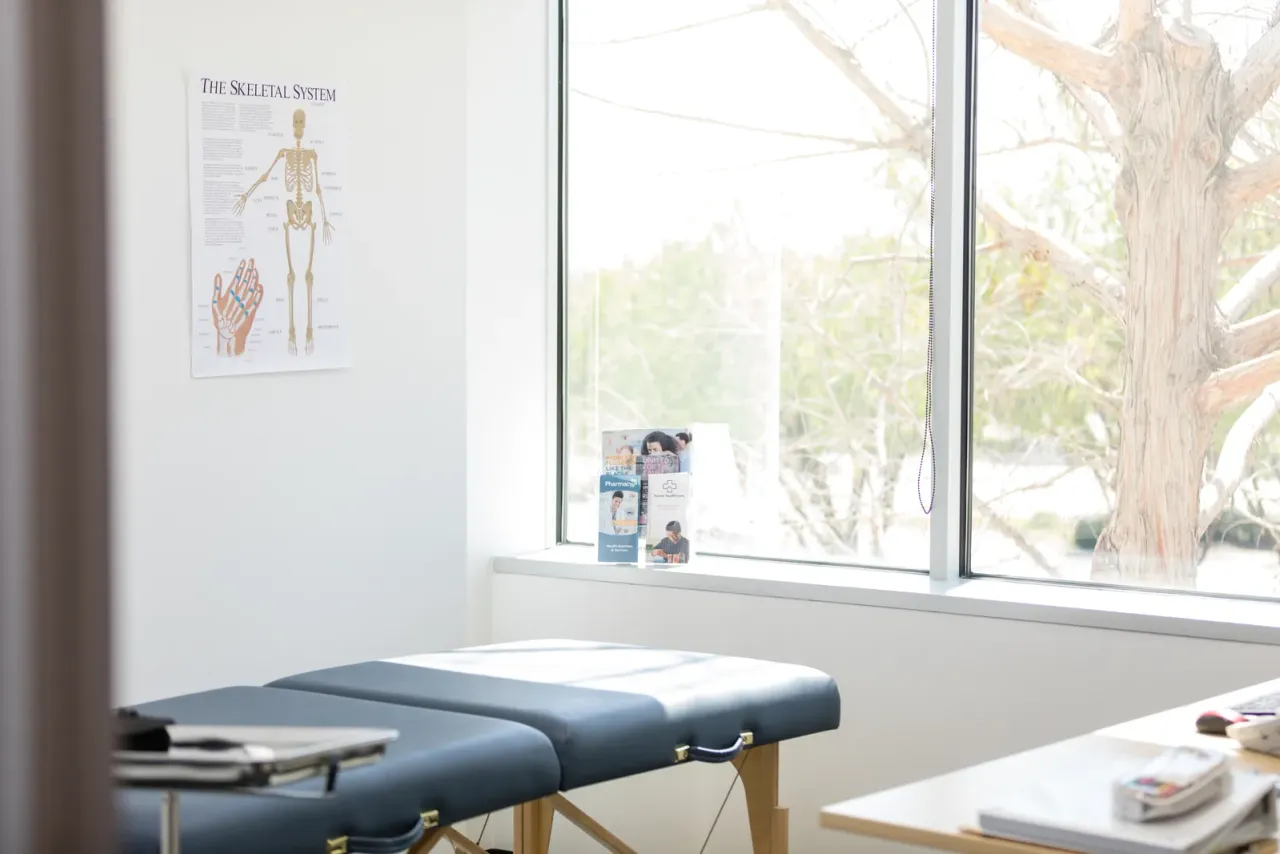
Terminal cleaning in an outpatient clinic is the thorough cleaning and disinfection of exam rooms, procedure rooms and other patient areas at the end of the clinical day, after the last patient leaves. It reaches far beyond the quick turnover between appointments: horizontal surfaces, the exam table and its base, fixtures, sinks, high-touch points and the floor are all cleaned and disinfected in a fixed order, top to bottom and clean to dirty. In most clinics, clinical staff handle between-patient cleaning and a janitorial or environmental services crew performs the terminal clean.
Terminal cleaning vs between-patient cleaning in outpatient care
Both jobs use the same disinfectants, but they differ in reach and timing. Between appointments, a medical assistant or nurse wipes what the patient and clinician touched: the exam table surface, chair arms, the blood pressure cuff, the counter where instruments rested. The terminal clean assumes the entire room was exposed during the day and resets all of it.
CDC's Guide to Infection Prevention for Outpatient Settings asks clinics to write policies for routine cleaning and disinfection of environmental surfaces, with priority on surfaces close to the patient and those touched most often. A clear split between turnover and terminal work is the simplest way to meet that expectation.
| Between-patient turnover | Terminal clean | Periodic deep clean | |
|---|---|---|---|
| Usually done by | Medical assistant or nurse | Janitorial or environmental services crew | Janitorial crew, often with floor care specialists |
| When | After every appointment | End of each day the room is used | Weekly, monthly or quarterly |
| Scope | Patient-contact surfaces and equipment just used | Every surface in the room, top to bottom, plus the floor | Floor scrubbing or refinishing, high vents, walls, behind fixed cabinets |
| Floor | Spot-cleaned only if soiled | Wet-mopped with disinfectant | Machine-scrubbed or refinished |
| Record | Rarely logged | Room checklist or log | Dated entry on the periodic calendar |
What an exam room terminal clean covers
A written checklist keeps the work consistent from one room to the next and from one night to the next. For a standard exam room it usually includes the items below, and procedure rooms add any surfaces the clinic's infection prevention lead specifies.
- Trash removed and liners replaced; sharps containers and red-bag waste left to clinical staff
- High surfaces first: cabinet tops, ledges, door frames, light switches
- Exam table top, sides, base and step cleaned and disinfected
- Rolling stools, side chairs, counters, cabinet fronts and pulls
- Door handles, push plates and waste receptacle lids and pedals
- Hand sink, faucet handles and dispensers cleaned, soap and towels refilled
- Wall splash zones around the sink and exam table spot-cleaned
- Floor dust-mopped, then wet-mopped with disinfectant from the far corner toward the door
The terminal cleaning procedure, step by step
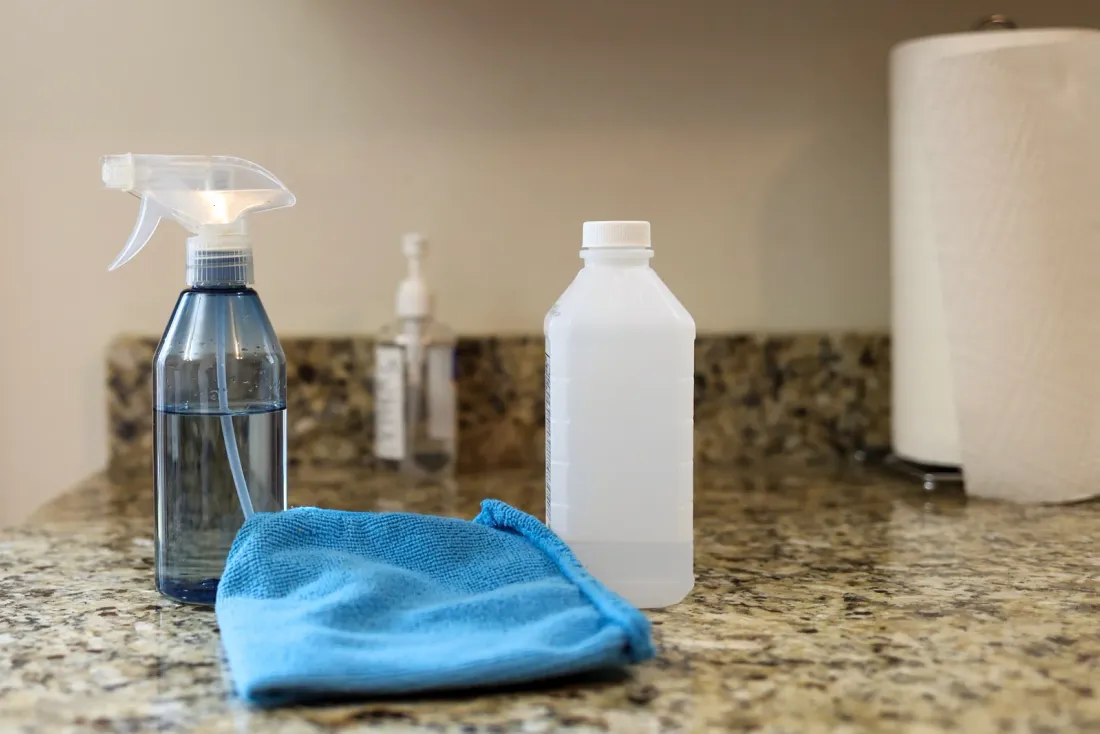
Order matters more than effort. Crews work top to bottom so dust and drips land on surfaces not yet cleaned, and clean to dirty so a cloth that touched a restroom or soiled utility room never reaches an exam table. Every room gets fresh microfiber cloths and a fresh mop pad. Carrying one cloth from room to room spreads whatever it picked up.
Contact time is the other half of the job. An EPA-registered disinfectant only works if the surface stays visibly wet for the dwell time printed on its label, which can range from under a minute to several minutes. Spraying and wiping dry at once cleans a surface without disinfecting it. Clinics that treat patients with Clostridioides difficile infection should use a product from EPA List K, the agency's list of disinfectants with claims against C. diff spores.
Rooms that need more than the standard routine
Procedure rooms, minor surgery suites and lab draw stations see more blood and body fluid than a typical exam room, so their terminal clean deserves its own checklist. Ambulatory surgery centers generally follow AORN's Guideline for Environmental Cleaning, which calls for operating and procedure rooms to be terminally cleaned each day they are in use.
Cal/OSHA's bloodborne pathogens standard, Title 8 section 5193, requires employers to keep work areas clean on a written schedule and to decontaminate surfaces after contact with blood or other potentially infectious materials. Any cleaner who may reasonably be exposed must be covered by an exposure control plan, trained and offered hepatitis B vaccination by their own employer.
Who owns each item: settle it in writing
The most common gap in outpatient cleaning is equipment that nobody is sure they own. Monitors, scopes, ultrasound probes and similar devices are normally cleaned by clinical staff following the manufacturer's instructions, because the wrong product can damage a device or void its warranty. Fixed furniture, sinks and floors belong to the cleaning crew. A one-page responsibility list, agreed with your vendor, prevents both skipped items and double cleaning with incompatible chemicals.
- Which rooms get a terminal clean every day, and which only on days they are used
- Who cleans each piece of equipment, and with which product
- The disinfectant's EPA registration number and its contact time
- Whether cleaners are trained under Title 8 section 5193
- How completion is logged and inspected
How EBS handles end-of-day clinical cleaning
EBS Maintenance cleans medical offices, clinics and outpatient centers after the last appointment, when exam and procedure rooms are empty. The room checklist, the restricted areas and the equipment that stays with your clinical team are agreed during the walkthrough. Crews disinfect high-touch surfaces with EPA-approved products, wipe only the outside of closed medical waste containers in non-hazardous areas, and follow HIPAA-conscious habits around charts and screens. Supervisors confirm completed rooms through eHub inspections and record any corrective action.
Related questions
Still not sure? A supervisor can answer at the walkthrough.
Request a walkthroughAll questionsHow often should terminal cleaning be done in an outpatient clinic?
At the end of every day a room is used, as the baseline. Rooms that sit unused can be skipped if your policy allows it. Add an immediate terminal clean after a blood or body-fluid spill, and after a patient with a known transmissible infection, so the next patient does not wait for the night crew.
Is terminal cleaning the same as deep cleaning?
No. Terminal cleaning is a daily disinfection routine for patient-care rooms. Deep cleaning is periodic work, such as machine scrubbing or refinishing floors, carpet extraction in waiting areas, high dusting and vent cleaning, scheduled weekly, monthly or quarterly so it never crowds out the nightly routine.
Can a janitorial company perform terminal cleaning in a medical office?
Yes, when the crew is trained for clinical areas and works from a checklist your clinic has approved. The vendor should know which disinfectant and contact time to use, which equipment is off limits, and how to handle anything that looks like blood. Clinical items such as sharps containers and device cleaning stay with your staff.
What disinfectant should be used for an exam room terminal clean?
An EPA-registered disinfectant chosen with your infection prevention lead, used at the contact time on its label. Check that it is compatible with vinyl upholstery, laminate and stainless steel in your rooms, and add a List K product if your patients include people with C. diff. Keep the label and safety data sheet on file.
Keep reading
Free site walkthrough
Talk to EBS about your facility
A few details and a supervisor calls you back the same business day.
- Call(949) 375-3305
- Emailinfo@ebsmaintenance.com
- HoursDaytime, evening, overnight and weekend schedules