
Accreditation readiness
How Does Cleaning Support Joint Commission Surveys?
Joint Commission surveyors rarely ask who the cleaning company is. They notice the dust on a return vent, the curtain that has not been changed and the unlabeled spray bottle.
The short answer
Cleaning supports Joint Commission surveys by keeping the environment survey-ready every day, because regular surveys are typically unannounced, and by producing the evidence surveyors ask for: written cleaning procedures, a disinfectant list with contact times, completion logs, inspection results and staff who can explain their work. In ambulatory settings, surveyors following patient tracers notice dust, clutter, clean and dirty items stored together, damaged surfaces and unlabeled chemicals. The Joint Commission accredits the healthcare organization, not its cleaning vendor.
How Joint Commission surveys reach the cleaning program
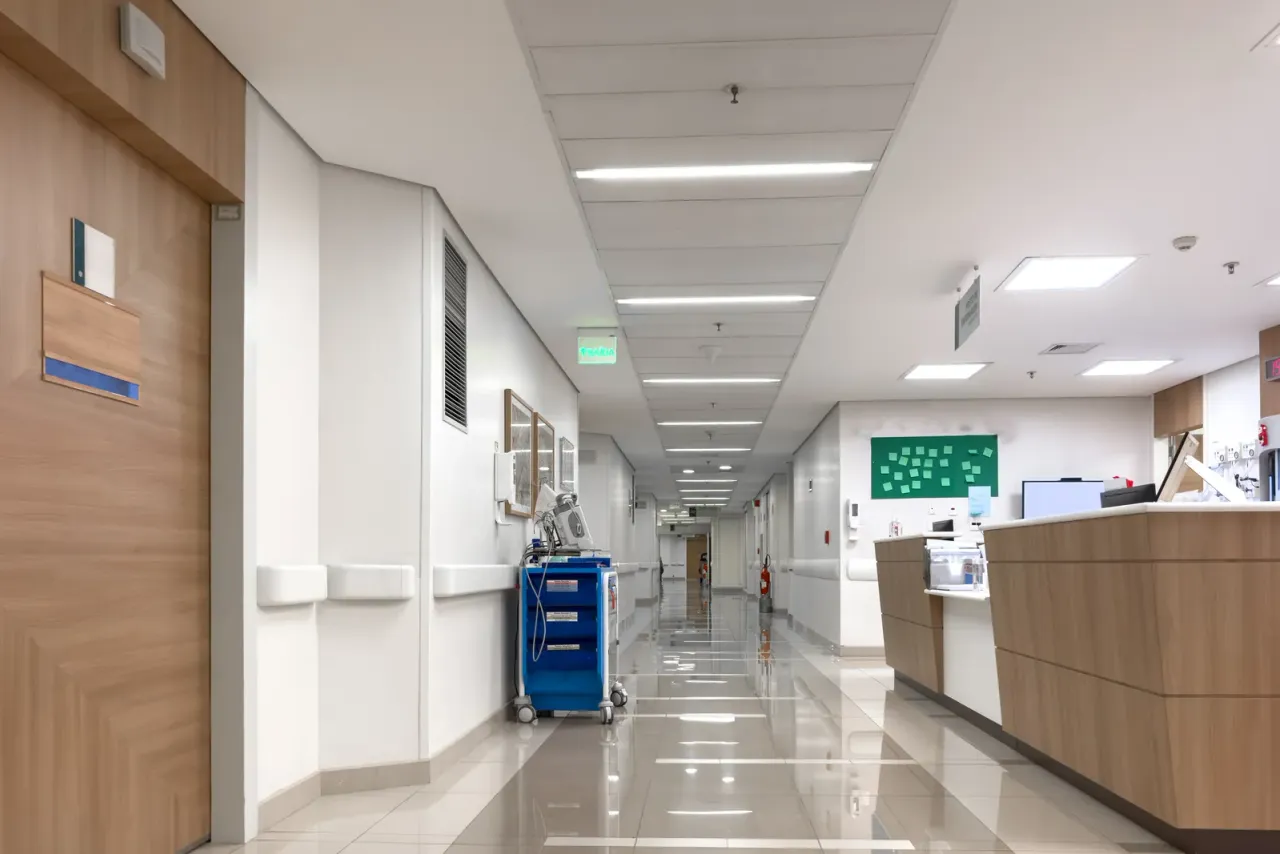
Surveyors use tracer methodology: they follow an individual patient's path through the organization, from check-in to the waiting room, exam or procedure room, restroom and back out, and they run system tracers on topics such as infection control. Along the way they look at the physical environment and talk to the staff they meet, measured against The Joint Commission's requirements for the environment of care and for infection prevention and control.
Ambulatory surgery centers that rely on Joint Commission accreditation for Medicare deemed status are also surveyed against CMS's Conditions for Coverage, including the infection control condition at 42 CFR 416.51. That condition expects a sanitary environment and an active infection control program, and environmental cleaning sits inside both.
What surveyors notice: environment of care cleaning standards in practice
Most cleaning-related observations come from the same short list. Each one has a simple answer in the cleaning program.
| What surveyors notice | Why it matters | Cleaning program response |
|---|---|---|
| Dust on vents, lights and high ledges | Settled dust is a reservoir for contamination | Dated high-dusting schedule, checked on inspections |
| Torn vinyl on exam tables or chairs | Damaged surfaces cannot be disinfected | Cleaners report damage the same night through a work order |
| Supplies stored under sinks or on the floor | Splash and floor-level contamination | Storage rules taught to crews and kept in janitor closets |
| Clean and soiled items stored together | Cross-contamination risk | Separate clean and soiled storage, with carts parked accordingly |
| Items stored too close to sprinkler heads | NFPA 13 requires 18 inches of clearance below sprinkler deflectors | Shelving in closets kept below the line |
| Corridors cluttered with carts or equipment | Egress and life safety | Carts never parked in corridors or exit paths |
| Unlabeled spray bottles or open chemicals | Hazard communication and patient safety | Labeled secondary containers and a current SDS binder |
| Staff unsure of a disinfectant's contact time | Disinfection may not be effective | Product-specific training and contact times posted on carts |
Cleaning records surveyors may ask to see
Surveyors who see a problem in the environment often ask how the organization knows its cleaning works. Keep these documents organized and current:
- Written cleaning procedures by area and frequency
- A responsibility list showing what clinical staff clean and what the cleaning crew cleans
- The disinfectant list with EPA registration numbers, contact times and safety data sheets
- Daily and end-of-day completion logs
- Inspection results with corrective actions and closure dates
- Training records, including bloodborne pathogens training under Cal/OSHA Title 8 section 5193 where cleaners have exposure
- A periodic task calendar showing high dusting, floor care and privacy curtain changes
Ambulatory care cleaning standards that trip clinics up
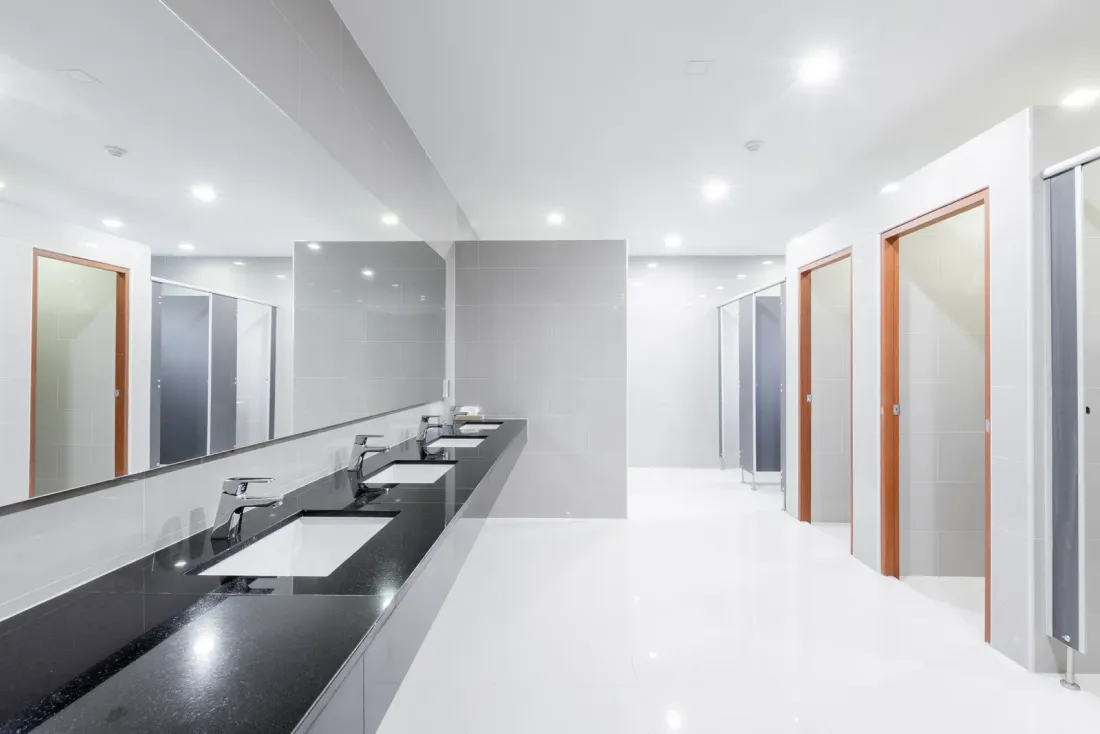
Small details account for many findings. Privacy curtains in exam and procedure areas should be changed on a schedule set by policy and whenever visibly soiled, with the change date recorded. Soap, paper towels and hand sanitizer dispensers must never be empty, so restocking deserves a nightly check. Emergency call cords in patient restrooms must hang free to the floor; cleaners sometimes loop them up while mopping, leaving them out of reach of a patient who has fallen.
Ceiling tiles are another quiet signal. A stained tile suggests a leak that needs maintenance, and a missing or displaced one can compromise a smoke barrier. Cleaners see these first, so the program should require them to report rather than ignore them.
Building continuous survey readiness
Because the date is not announced, a pre-survey deep clean is a weak strategy. Readiness has to be ordinary: a weekly walk of patient areas using a checklist that mirrors what surveyors look for, a monthly review of inspection results with the cleaning vendor, and periodic tasks completed on schedule rather than when someone remembers. Some clinics run mock tracers, walking a patient's path the way a surveyor would, and fold the findings into the cleaning scope.
How EBS supports accredited clinics
EBS Maintenance does not hold or grant accreditation; it supports the clinic's own program. That support takes the form of a written scope matched to your infection control plan, EPA-approved disinfection products on high-touch surfaces, HIPAA-conscious service protocols, and trained, background-checked team members. Supervisors verify visits against the service plan, including unannounced checks, and log findings and corrective actions in eHub, which gives the clinic a record it can show.
Related questions
Still not sure? A supervisor can answer at the walkthrough.
Request a walkthroughAll questionsDoes the Joint Commission accredit cleaning companies?
No. The Joint Commission accredits healthcare organizations such as hospitals, ambulatory care centers and surgery centers. A cleaning contractor's work is evaluated as part of the accredited organization's environment and infection control program, so the clinic remains responsible for what surveyors find.
Will surveyors interview our cleaning staff?
They may interview anyone working during the survey, including daytime cleaners or porters, and often ask about disinfectant contact times and how spills are handled. If cleaning happens only after hours, the practice manager should be able to explain the scope, the products and how the work is checked.
Is a deep clean before a Joint Commission survey worth doing?
Periodic deep cleaning is worth doing, but timing it to a survey rarely works because regular surveys are typically unannounced. Put high dusting, floor care, upholstery checks and curtain changes on a calendar so the environment is ready on any day.
What should be on a clinic's disinfectant list?
Each product's name, EPA registration number, intended use, contact time and the surfaces it is approved for, with its safety data sheet. Note which product is used for C. diff or blood spills, and make sure clinical staff and cleaners use the same list.
Keep reading
Free site walkthrough
Talk to EBS about your facility
A few details and a supervisor calls you back the same business day.
- Call(949) 375-3305
- Emailinfo@ebsmaintenance.com
- HoursDaytime, evening, overnight and weekend schedules