
Ports and terminals
Port and Terminal Cleaning Services
Terminal offices, gatehouses, maintenance shops and passenger buildings that never fully close, cleaned to the terminal's own safety and security rules.
The short answer
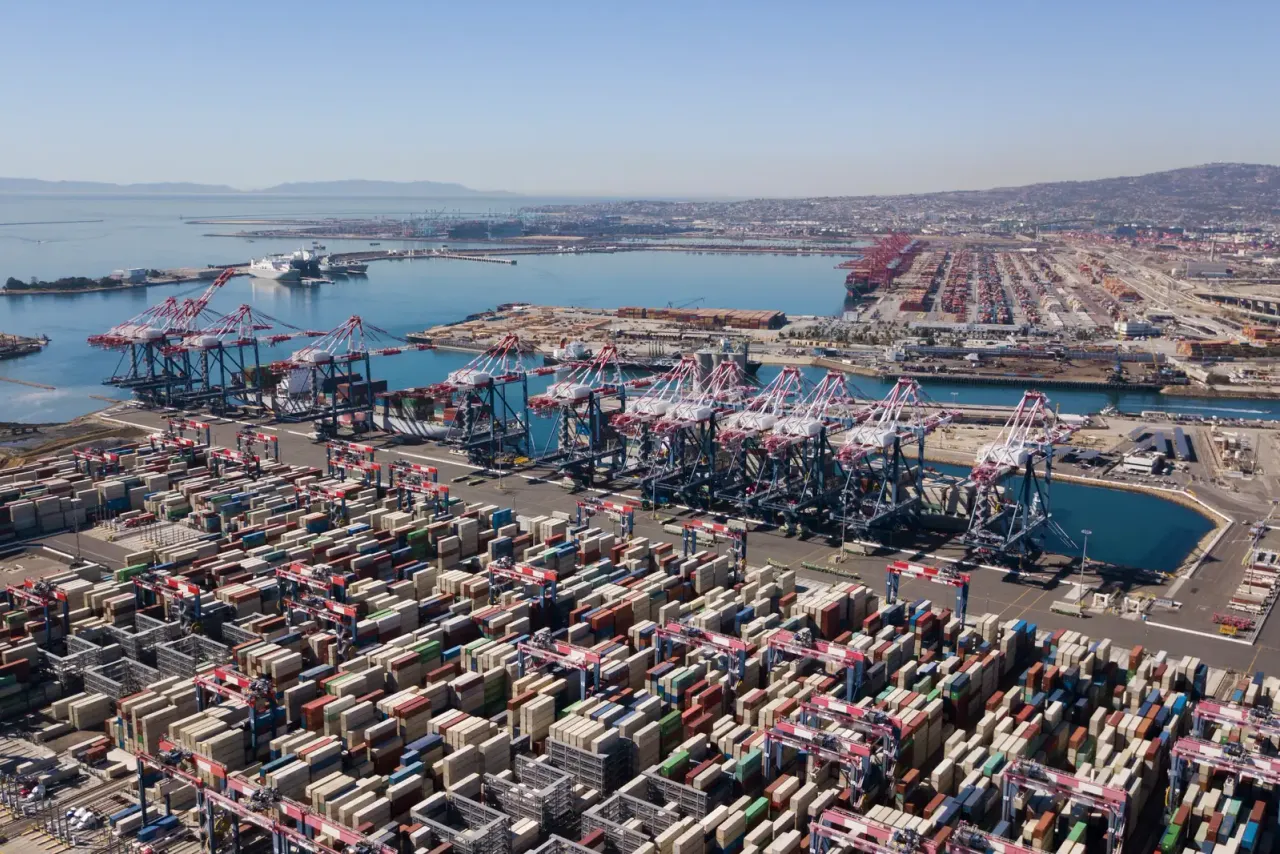
EBS Maintenance provides port and terminal cleaning services for marine terminals, shipping and cargo facilities and industrial docks, covering administration buildings, gate complexes, maintenance and repair shops, locker and break rooms, and passenger areas. Crews degrease terminal floors, clear debris from docks and bays, disinfect shared touchpoints and manage trash and recycling, working by day, by night or around the clock to match vessel calls and gate hours.
Buildings and spaces on a working terminal
A terminal is a small town of buildings, each with its own traffic and dirt. The walkthrough maps them one by one, because a gate restroom used by hundreds of truck drivers a day needs a very different plan from a marine operations office or a crane maintenance shop.
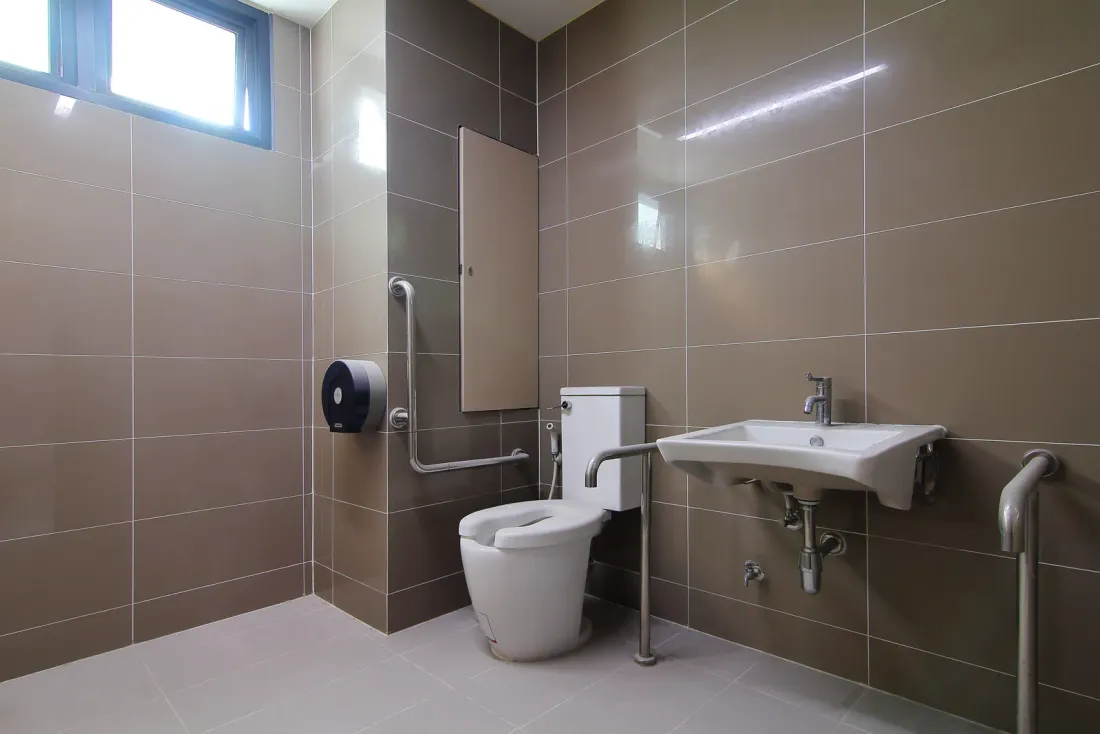
Typical spaces include administration and vessel-planning offices, in-gate and out-gate booths and driver restrooms, maintenance and repair shops for yard equipment and chassis, locker rooms and break rooms for terminal staff, security and badging buildings, cargo staging and warehouse space, and, at cruise facilities, passenger halls, baggage areas and public restrooms.
Port and terminal cleaning services, task by task
The core scope follows the eight tasks below. How often each one happens depends on vessel schedules, gate volume, cruise days and how many shifts, drivers and visitors use each building, so frequencies are set per building rather than per site.
- Terminal floor cleaning and degreasing: shop and warehouse floors pick up diesel, hydraulic oil and grease, so they are pre-treated and machine-scrubbed with the water recovered.
- Dock and bay debris removal: dunnage, lashing scraps, pallet pieces and wind-blown trash are cleared from staging edges and building aprons.
- High-traffic touchpoint disinfection: gate counters, kiosk screens, door hardware and time clocks are wiped with EPA-approved disinfectants.
- Equipment wipe-down and sanitation: shared radios, operator cab touchpoints the terminal assigns, and break room appliances.
- Cargo zone and staging area cleaning: sweeping and litter control in the areas the terminal opens to crews.
- Trash and recycling management: liners, sorting and staging for haulers, including organic waste under California SB 1383.
- Spill cleanup and slip prevention: absorbents, wet-floor control and fast attention to oily walkways.
- Flexible scheduling for 24/7 operations: day, evening, overnight and weekend coverage.
Security, safety and stormwater on the waterfront
Marine terminals regulated under the Maritime Transportation Security Act operate under facility security plans (33 CFR Part 105), and unescorted access to secure areas requires a Transportation Worker Identification Credential (TWIC) issued by TSA. The walkthrough settles how cleaning fits that plan: TWIC-holding staff, escorted work, or cleaning limited to buildings outside the secure area.
Terminal yards are full of heavy equipment, so crews follow the terminal's traffic routes, protective equipment rules and check-in procedures. Wash water is the other big rule. California's Industrial General Permit and local stormwater permits prohibit non-stormwater discharges, so degreasing and pressure-washing runoff is collected instead of rinsed toward a storm drain.
Staffing a site that runs around the clock
Terminals rarely close, so cleaning is planned around peaks rather than empty hours. Restrooms and break rooms are turned over before shift changes, gate facilities get several passes a day during heavy truck hours, and offices are cleaned when vessel planning and administration staff are lightest. Deep work such as shop floor scrubbing or locker room restoration goes into the quietest windows the terminal can offer.
A daytime porter is often the backbone of a terminal program, handling restrooms, spills and trash between scheduled cleans. EBS covers absences with backup staffing, provides field supervision and escalation support, and offers 24/7 priority support for urgent problems. SSA Marine is among the clients whose logos appear on our site.
Port coverage in Los Angeles and San Diego counties
EBS serves the waterfront from its single office in Corona, and each port has its own page because the facilities differ: the Port of Los Angeles in San Pedro and Wilmington with its rail and cargo corridor inland, and the Port of San Diego, from downtown cruise terminals to the National City Marine Terminal.
To start, request a walkthrough or call (949) 375-3305. A supervisor visits with your facility or security contact, maps each building, shift pattern and access rule, and EBS then prepares a written scope, schedule and price for the terminal.
Last reviewed October 9, 2026 by the EBS Maintenance team.
Questions we hear
Still not sure? A supervisor can answer at the walkthrough.
Request a walkthroughAll questionsDo your cleaners need TWIC cards to work on a terminal?
Only for unescorted access to secure areas of a regulated facility. Many terminal buildings sit inside the secure area, so the walkthrough confirms which ones crews will enter and whether staff will hold TWIC cards, work under escort, or clean only outside the secure boundary. Staffing is then matched to the terminal's facility security plan.
Can you pressure wash near storm drains on a port site?
Not by letting runoff reach them. Wash water from degreasing or pressure washing counts as a non-stormwater discharge under California permits, so it is contained, collected and disposed of properly. Drain covers, berms and vacuum recovery are planned before work starts, and the method is written into the scope.
How do you clean while the terminal is operating?
By working around the busiest moments instead of waiting for quiet. Gate restrooms and driver areas get repeat passes during heavy truck hours, break rooms are reset before shift change, and floor scrubbing in shops is booked for the slowest windows. Crews follow terminal traffic routes and protective equipment rules at all times.
What records do terminal managers receive?
Supervisors inspect on a routine schedule and log results in EBS's eHub system, including any corrective action taken. Terminal managers get documented completion of scheduled work and a direct supervisor contact for changes, special requests and urgent issues. Those records help show that housekeeping in shared facilities is under control.
Related services and guides
Free site walkthrough
Request a walkthrough
A few details and a supervisor calls you back the same business day.
- Call(949) 375-3305
- Emailinfo@ebsmaintenance.com
- HoursDaytime, evening, overnight and weekend schedules