
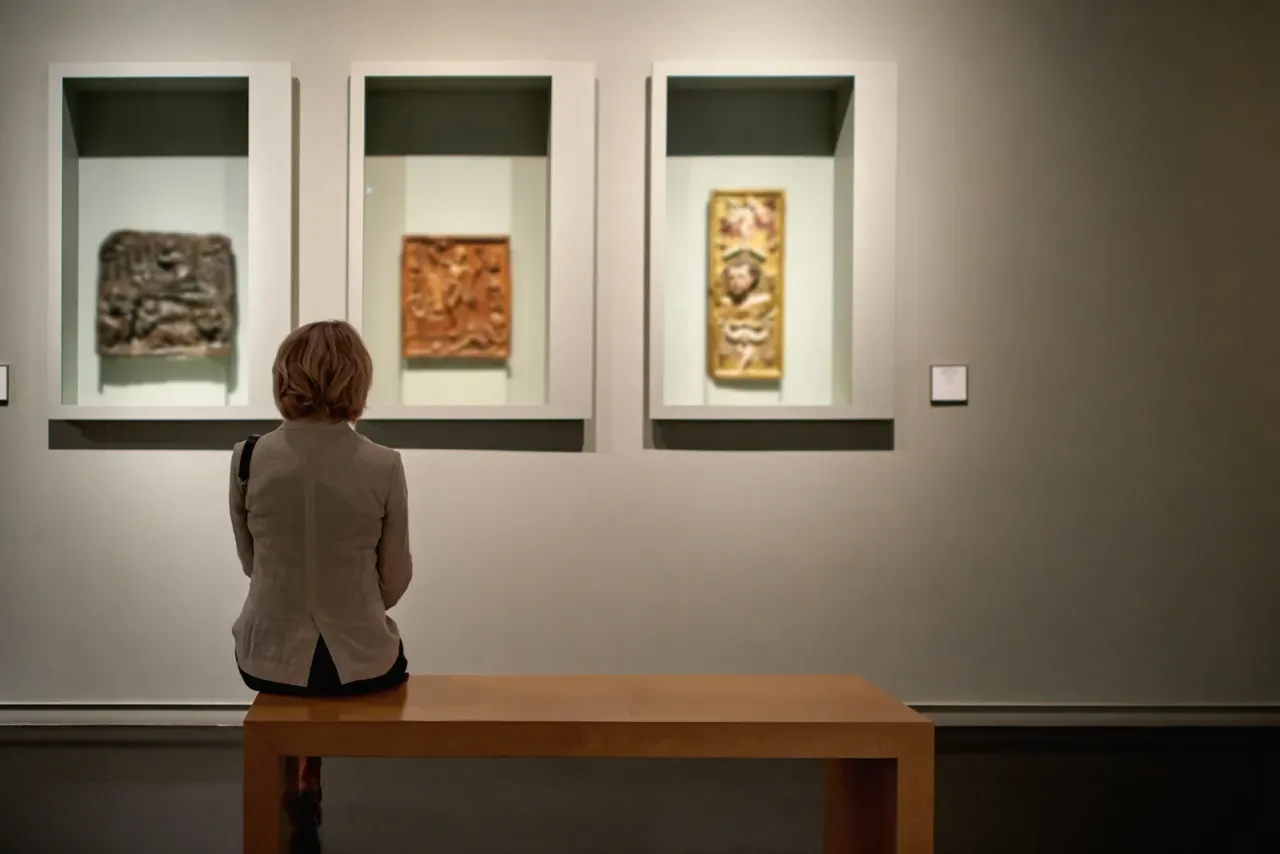
Museums and galleries
Museum and Cultural Institution Cleaning Services
Cleaning for museums, galleries and cultural venues that keeps hands off the collection and has the building ready for visitors each morning.
The short answer
EBS Maintenance provides museum and cultural institution cleaning services for museums, galleries, historic sites and cultural centers across Southern California. Crews work mostly while the building is closed, using non-abrasive methods and museum-safe products on gallery floors, display cases, restrooms and visitor areas, and they never handle objects or artwork. Every site gets written protocols for restricted rooms, and supervisors confirm the work through logged inspections.
What museum and cultural institution cleaning services include
On paper, exhibit area cleaning resembles an office scope. In practice it behaves very differently. Each task below goes into the site protocol with the method your collections staff approve, so a Tuesday night crew does the job exactly the way the registrar agreed at the walkthrough.
| Task | How it is done | Why it matters |
|---|---|---|
| Gallery and exhibit floors | Dust-mopped or HEPA-vacuumed; damp-mopped only where the floor and the collections team allow water | Grit from shoes scratches finishes and turns into airborne dust that settles on objects |
| Glass and display cases | Product applied to a lint-free cloth, never sprayed at the case; acrylic gets an acrylic-safe cleaner | Overspray can creep into case seams, and ammonia-based glass cleaners cloud acrylic |
| Restrooms and supplies | Cleaned, disinfected and stocked before opening, with extra checks on school-group and event days | Large groups empty dispensers in a single visit |
| Lobby and visitor center | Admissions desks, benches, coat check, brochure racks and entry glass | It is the first room every visitor judges |
| High-touch surfaces | EPA-approved disinfectant on handrails, elevator buttons, door pulls and any interactive surfaces the museum approves | Thousands of hands touch the same points each week |
| Carpet and hard floors | Gentle detergents, low-moisture carpet methods, finish work booked for closure days | Moisture and strong odors should not linger near collections |
| Closed-hours service | A fixed crew, logged keys and the building's alarm procedure | Fewer people with access means less risk |
| Restricted areas | Room-by-room rules for storage, archives and conservation labs, including escort requirements | Some rooms are off limits to cleaning entirely |
Keeping the cleaning crew away from the collection
The building is ours to clean and the collection belongs to the registrar and conservators. Crews do not dust artwork, frames, labels or objects on open display, and they learn where the boundary sits in every gallery before the first shift. Product choices are made with your staff: many institutions test materials that go near objects (the Oddy test is a common method) and ask vendors to keep aerosols, solvents and scented products out of galleries. Food waste from cafés and event rooms leaves the building the same night, which supports the integrated pest management plans most museums run.
- No touching, moving or dusting of objects, frames or labels
- No product sprayed toward a case, wall or pedestal
- No ladders or equipment leaned against display walls
- No burnishers or wet equipment near open-display objects
- No propping of doors that hold climate or security
Schedules around opening hours, events and exhibition changes
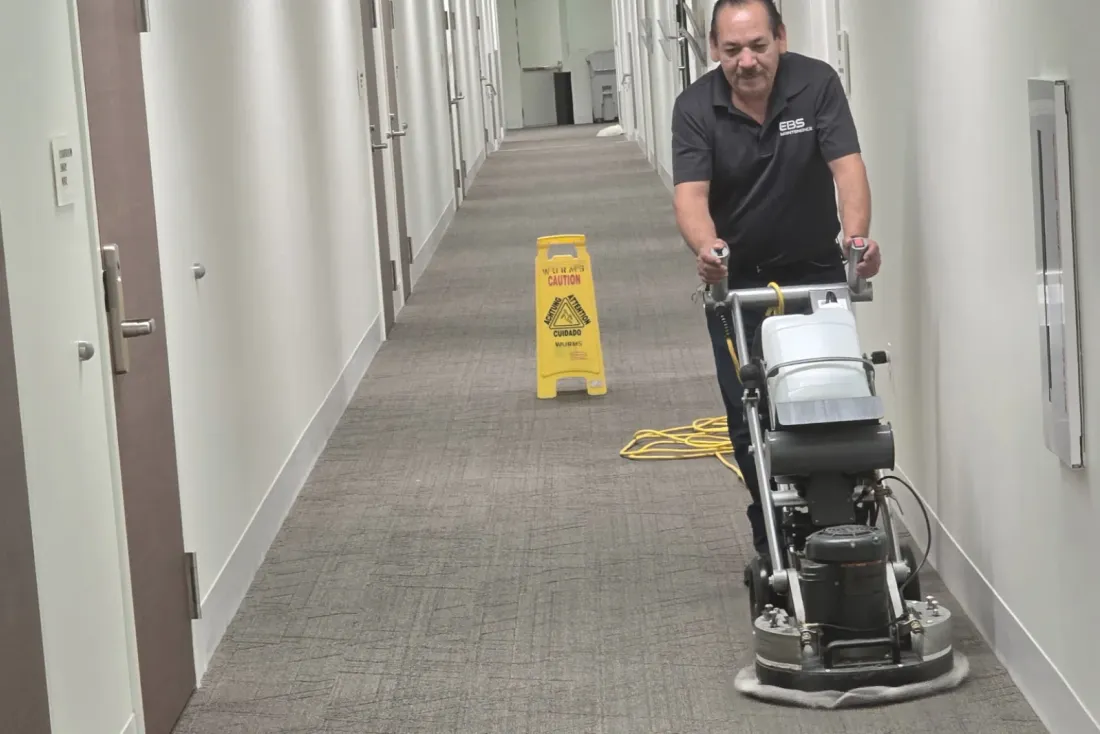
Most gallery work happens before opening or after close, when the floor is empty and lighting can be raised. Busy institutions add a daytime porter for restrooms, lobby glass and spills during visiting hours. Evening rentals, galas and openings get their own setup and a post-event reset so the galleries are in order before the doors open again.
Exhibition changeovers call for a different kind of visit. Installers leave drywall dust, packing debris and footprints behind, so once the curatorial team releases a room, crews clean it from the top down, working high surfaces first and floors last, before the opening.
Security in collections buildings
Museums guard keys, alarm codes and storage rooms closely, and they should. EBS team members are background-checked, uniformed and trained for confidential, access-controlled settings, including government facilities. The same small crew is assigned to your building, keys are signed out and logged, and nobody enters a storage room or lab without clearance.
Museum and art gallery cleaning services across six regions
Teams travel from the EBS office in Corona to museums, galleries and cultural centers in Orange County, Los Angeles County, Riverside County, San Bernardino County, San Diego County and the Coachella Valley. Each regional page covers local conditions, from coastal salt on gallery glass to desert dust and seasonal visitor peaks. The walkthrough is free, and the proposal sets out the scope, schedule and protocols for your building.
Last reviewed October 9, 2026 by the EBS Maintenance team.
Questions we hear
Still not sure? A supervisor can answer at the walkthrough.
Request a walkthroughAll questionsDo your cleaners dust artwork or objects on display?
No. Objects, frames, labels and anything behind a barrier are handled only by your registrar, conservators or preparators. EBS crews clean floors, the outside of cases, glass, restrooms, lobbies and support spaces, and each gallery's protocol shows where their work stops.
Can you clean while the museum is open to the public?
Yes, for light work. A daytime porter can keep restrooms stocked, wipe lobby glass and handrails, and deal with spills while visitors are inside. Floor machines, case polishing and gallery detail work are kept for closed hours so nothing disrupts visitors or gets close to the collection under crowd conditions.
Which products do you use near collections?
Only products your collections team approves for each area. In most buildings that means non-abrasive, fragrance-free cleaners applied by cloth rather than by spray, EPA-approved disinfectants for touch points outside the galleries, and green, biodegradable products when the institution prefers them.
Do you clean after evening events and facility rentals?
Yes. Event preparation and post-event cleaning are scheduled around the rental calendar, including late finishes. Crews clear food and drink waste the same night, reset restrooms and lobbies, and check galleries used for receptions so the museum opens normally the next morning.
How does a museum cleaning contract start?
It starts with a free walkthrough. A supervisor tours the galleries, support spaces and restricted rooms with your facilities and collections staff, notes floor types and access rules, and then proposes a scope, a schedule and written protocols for each area before any cleaning begins.
Related services and guides
Free site walkthrough
Request a walkthrough
A few details and a supervisor calls you back the same business day.
- Call(949) 375-3305
- Emailinfo@ebsmaintenance.com
- HoursDaytime, evening, overnight and weekend schedules