
Critical environments
Server Room and Data Center Cleaning in Southern California
Dust, fibers and corrosive air shorten hardware life. Here is how server rooms and data halls are cleaned, to what standard, and without risking uptime.
The short answer
Server room and data center cleaning removes the dust, fibers and debris that equipment fans pull into servers, switches and storage, where they trap heat and can cause failures. It covers floors, rack exteriors, perforated tiles, the space under a raised floor and overhead cable trays, using HEPA-filtered vacuums, anti-static tools and no sprayed liquids. Industry guidance from ASHRAE points data centers toward ISO 14644-1 Class 8 air cleanliness, and every visit is planned with IT so nothing is unplugged, bumped or left open.
Server room cleaning vs data center cleaning
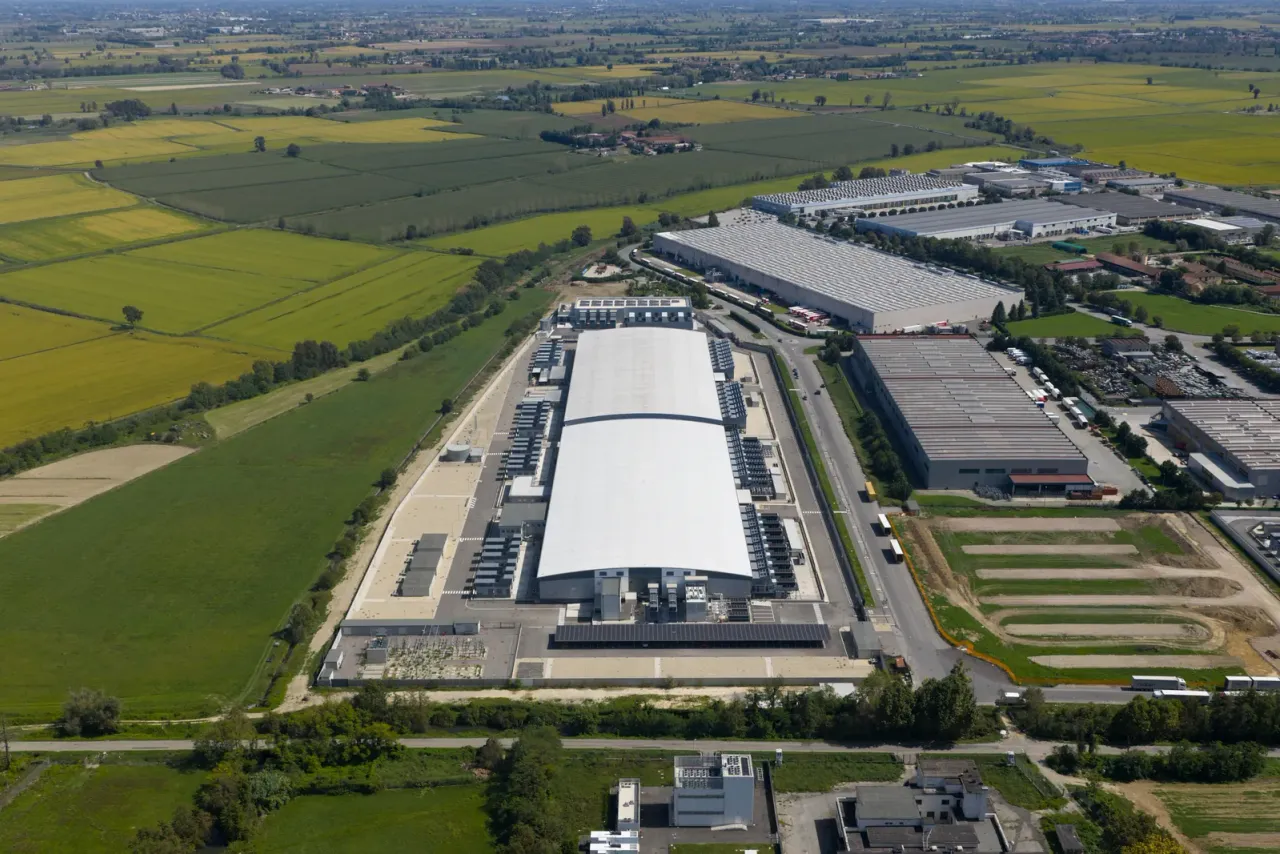
The same principles apply to a two-rack closet and a colocation hall, but the settings are very different. Many businesses run a server room inside an ordinary office, with no raised floor, a ceiling of lay-in tiles and a door that is propped open on hot days. Purpose-built data centers have controlled access, engineered airflow and their own procedures for every vendor who enters.
Knowing which one you have sets the scope, the people who must approve the work and the most likely contamination problem.
| Factor | Server room in an office | Purpose-built data center |
|---|---|---|
| Who approves cleaning | IT manager or office manager | Facility operations, under a written method of procedure |
| Floor | Carpet, VCT or sealed concrete | Raised floor with perforated tiles and a subfloor plenum |
| Main contamination sources | Ceiling tile dust, foot traffic, boxes stored in the room | Unpacking, construction, outside air brought in for cooling |
| Typical problem found | Room used as a storeroom; dust on rack tops and intakes | Debris and dust settled in the subfloor and on cable trays |
| Access | Key or badge held by a few staff | Badges, escorts, visitor logs and set work windows |
Contaminants behind data center cleaning in Southern California
Most contamination is carried in. Cardboard and packing material shed fibers when equipment is unboxed in the room; people bring in soil on shoes and lint on clothing; above-ceiling work and renovations release fine dust that settles on every horizontal surface. Rooms used as storage collect all three.
Southern California adds outside sources. Santa Ana winds carry fine dust in the fall, wildfire smoke can reach facilities far from the fire itself, and sites near the coast deal with salt-laden air. Facilities that use outside air for cooling (economizers) feel these most, and corrosive gases can attack copper and silver on circuit boards over time. Older raised floors bring one more risk: some electroplated tiles and supports grow tiny conductive zinc whiskers, which aggressive cleaning can dislodge and blow into equipment, so those floors need gentle, contained methods.
The cleanliness target: ISO Class 8 and ASHRAE guidance
ASHRAE's technical committee for data center environments (TC 9.9) publishes guidance on particulate and gaseous contamination. It recommends keeping data centers to ISO 14644-1 Class 8 cleanliness, the same classification system used for cleanrooms but at a much less strict level, and it points to MERV 8 filtration for recirculated room air with MERV 11 or MERV 13 for outside air entering the space.
Filtration is a mechanical matter for your engineers, but cleaning decides how much settled dust is available to be stirred back into the air. Particle counts taken by a qualified tester before and after a deep clean are the clearest way to show a room meets the target, and some operators ask for them on a set schedule.
Planning server room and data center cleaning around uptime
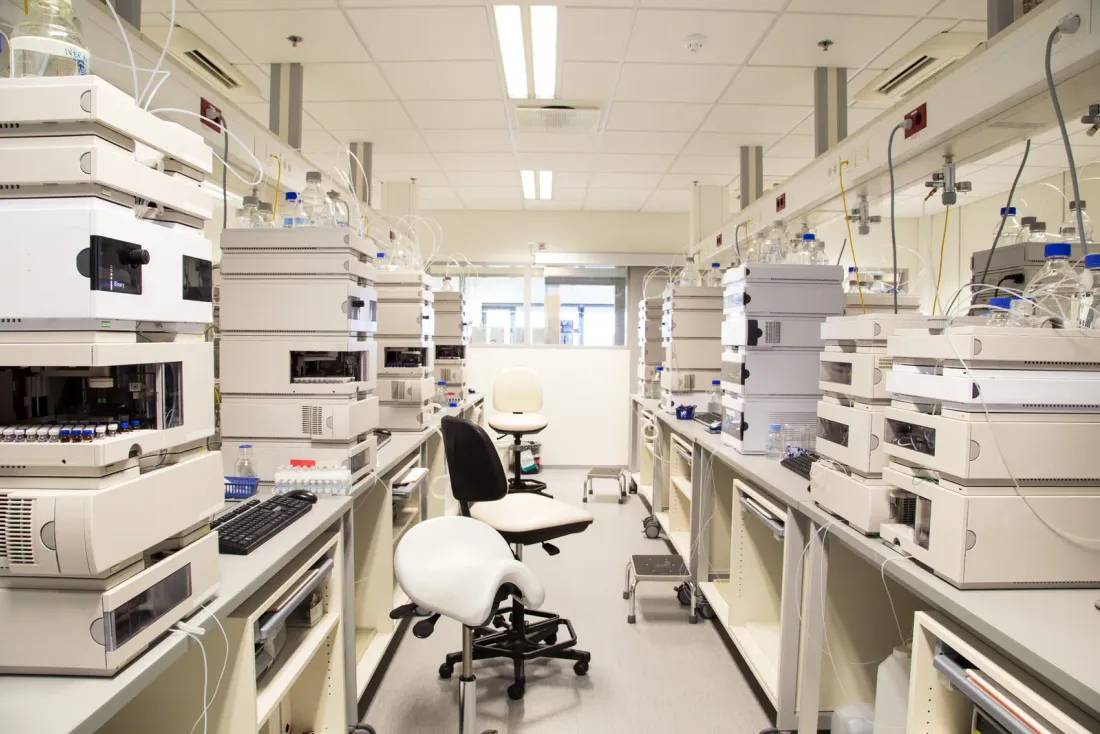
Nothing about a cleaning visit should surprise the people responsible for uptime. In a data center, the work is written into a method of procedure that names the areas, tools, sequence and work window, and the crew is escorted or checked in under the site's access rules. In an office server room, a short written agreement with IT does the same job.
These rules apply in both settings and are worth putting in the scope word for word.
- No sprayed liquids; wipes are dampened away from equipment and used only on approved surfaces
- HEPA-filtered vacuums with anti-static hoses and tools; no standard shop vacuums or blowers
- Nothing is unplugged, and no cable, patch cord or power whip is moved
- Only a few floor tiles open at once, each replaced before the next is lifted, to protect airflow
- Rack exteriors, tops and doors only; inside equipment is left to IT or the manufacturer
- No cardboard, paper towels or packaging left in the room afterward
- A visit record listing areas cleaned, anything found and any tiles or panels disturbed
Day-to-day habits that keep dust down between visits
Cleaning visits go further when the room is protected in between. Unbox equipment in a staging area, not beside the racks. Keep server room doors closed and stop using the room as a storeroom. Put tacky mats at data hall entrances, schedule a cleaning after any construction or ceiling work nearby, and ask for one after a heavy smoke or wind event. Each of these reduces what reaches the intakes, and none of them costs much.
How EBS cleans server rooms and data halls
EBS Maintenance cleans server rooms, network closets and data halls with HEPA-filtered vacuums and anti-static tools, covering rack exteriors, cable trays, the subfloor and touchpoints at IT workstations. Crews follow your secure-room access rules and work after hours or in agreed windows, and team members are background-checked, with experience in access-controlled facilities. Sites across the service area are reached from the Corona office; call (949) 375-3305 to schedule a walkthrough with your IT lead.
Related questions
Still not sure? A supervisor can answer at the walkthrough.
Request a walkthroughAll questionsHow often should a server room be cleaned?
Floors and rack exteriors in an occupied server room are commonly cleaned monthly or quarterly, with deeper work under raised floors and overhead on a longer cycle. Construction nearby, heavy foot traffic, dusty outside air or a room that doubles as storage all call for more frequent visits.
Can our regular janitorial crew clean the server room?
Only if they are trained for it, carry HEPA and anti-static equipment, and have IT's written approval. A standard nightly crew with a regular vacuum and spray bottle should stay out. Many offices simply exclude the server room from the nightly scope and book it as a separate service.
Should a cleaning company clean inside servers and switches?
No. Internal cleaning of equipment is a job for IT staff or the manufacturer's service team, since it can affect warranties and requires powering equipment down. Cleaning crews stay on rack exteriors, floors, tiles, cable trays and room surfaces.
Keep reading
Free site walkthrough
Talk to EBS about your facility
A few details and a supervisor calls you back the same business day.
- Call(949) 375-3305
- Emailinfo@ebsmaintenance.com
- HoursDaytime, evening, overnight and weekend schedules