
Tenant turnover
What Is Included in Commercial Move-Out Cleaning?
What a vacated office or commercial suite needs between one lease and the next, and how to scope the work so the space is ready to show.
The short answer
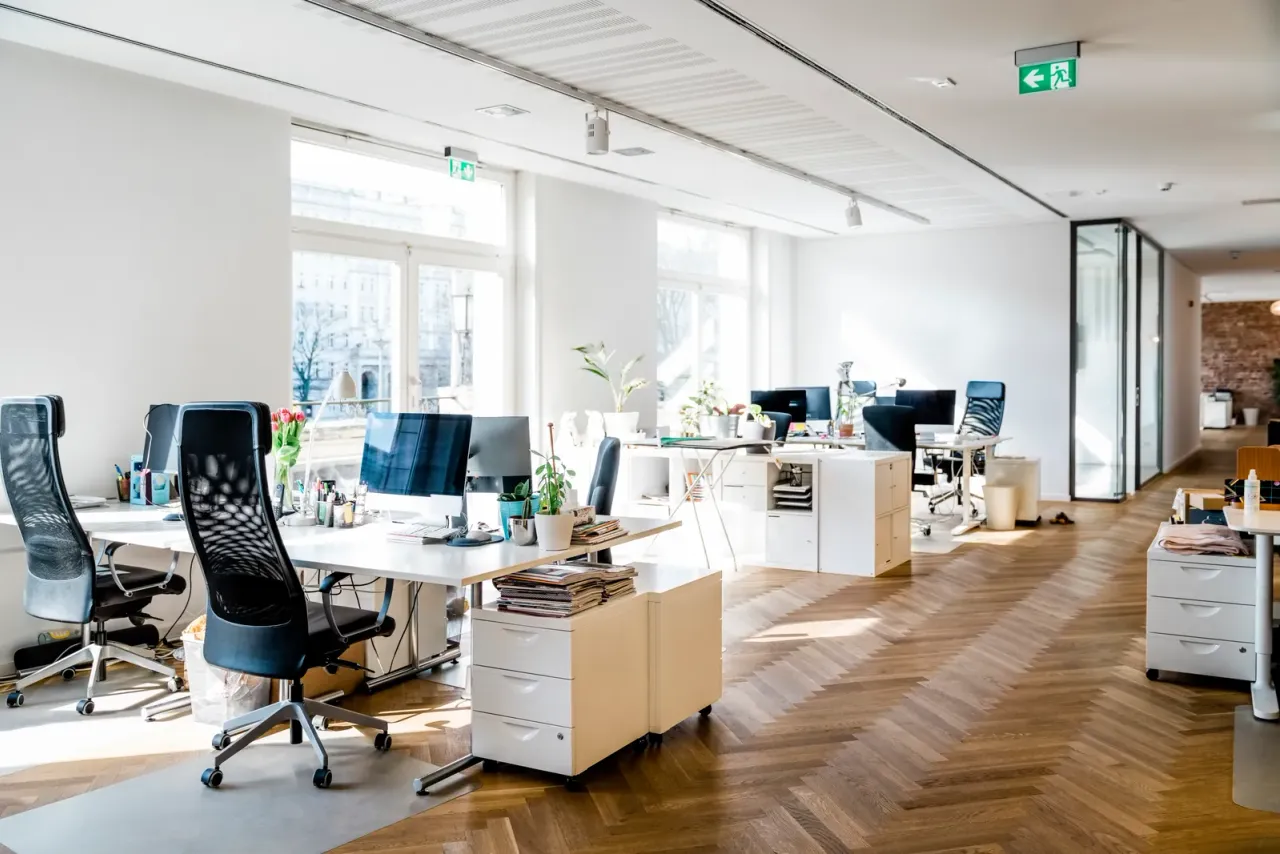
Commercial move-out cleaning is a one-time, top-to-bottom reset of a vacated office or commercial suite so it can be inspected, shown or handed to the next tenant. It normally covers removing leftover debris, cleaning inside cabinets and appliances, detailing restrooms and kitchens, extracting carpet, scrubbing or refinishing hard floors, cleaning interior glass, and dusting vents, ledges and blinds. Repairs, painting and hauling away abandoned furniture are separate trades unless the scope names them.
What commercial move-out cleaning covers, area by area
The scope covers everything a broker, an inspector or the incoming tenant will look at, plus the places a nightly janitorial visit never reaches because furniture, files and people were in the way. Once the suite is empty, the floors, walls and fixtures are fully exposed for the first time in years.
Use the table as a starting checklist and strike or add lines after you walk the suite.
| Area | Move-out tasks |
|---|---|
| Open office and private offices | Remove loose debris, wipe walls and switch plates for marks, clean door frames, kick plates and baseboards |
| Kitchen or break room | Clean inside cabinets, drawers, refrigerator, microwave and dishwasher; degrease counters, backsplash and sink |
| In-suite restrooms | Descale fixtures, clean partitions and grout lines, polish mirrors and dispensers, scrub floor edges and drains |
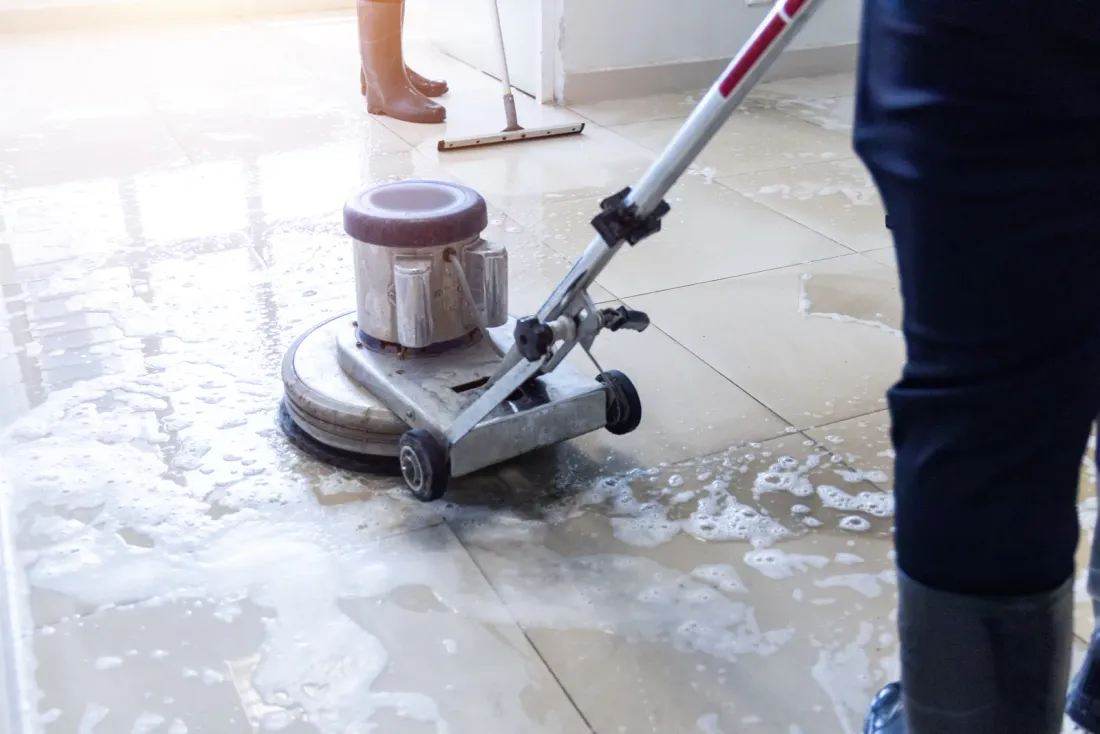
| Carpet | Vacuum edges and corners, pre-treat spots, hot water extraction of the whole field |
| Hard floors | Scrub, or strip and refinish, depending on finish condition and the next tenant's plans |
| Interior glass | Sidelights, office fronts, conference room glass, partitions and the suite entry door |
| High and hidden areas | Supply and return grilles, window ledges, blinds, the tops of cabinets, light lenses within reach |
| Closets, storage and IT rooms | Dust shelving and floors, remove packing debris; electrical and cabling work stays with the trades |
Where move-out cleaning falls in the turnover sequence
Cleaning should come after anything that makes dust and before anyone walks the space to decide whether to lease it. If the suite is getting new paint, patched walls, new carpet or a light refresh of tenant improvements, a single cleaning before that work is wasted money, because construction dust settles on every surface.
For most suites, the turnover runs in this order, with cleaning near the end:
- Departing tenant removes its furniture, equipment and cabling it is required to take
- Landlord or property manager walks the suite against the lease surrender terms and photographs it
- Abandoned items are hauled away and any repairs, paint or carpet replacement are completed
- Move-out cleaning is performed once the trades are finished
- A light touch-up is done just before showings or the new tenant's move-in date
Keeping a vacant suite presentable until it leases
Vacant suite cleaning is easy to forget. An empty space still collects dust from the HVAC system, dead insects along window sills and fine grit tracked in by brokers and contractors. Restroom and kitchen drains also dry out when nobody runs water, and a dry trap lets sewer odor into the suite, which is the first thing a prospect notices.
A short recurring visit, often monthly or before scheduled tours, keeps the suite ready: run water in sinks and floor drains, flush toilets, dust horizontal surfaces, vacuum, wipe the entry glass and report any leaks, pest activity or damage to the property manager.
What to send your cleaning contractor before the job
The more the contractor knows before the walkthrough, the tighter the scope and the fewer surprises on the day. Most of the information below is already in the lease file or the building's move-in rules.
- Floor plan or suite square footage, with floor types marked
- Photos of carpet stains, damaged finish and anything left behind
- Whether water and power will stay on (extraction and scrubbing equipment needs both)
- Freight elevator, loading dock and after-hours access rules
- Key or badge arrangements and who can let the crew in
- The date of the first showing or the incoming tenant's move-in
- Whether the departing tenant or the landlord is paying
How EBS handles tenant turnover cleaning
Move-out work falls under EBS Maintenance's specialty and project cleaning, using the same crews that handle floor care, carpet extraction and glass on recurring accounts. A supervisor walks the suite with you, then writes a scope and price for that suite; the walkthrough and estimate are free.
Crews travel from the Corona office to suites in Orange, Los Angeles, Riverside, San Bernardino and San Diego counties, working evenings or weekends when neighboring tenants are open. Completed work is checked against the scope before the suite is handed back, and once a new tenant signs, the same suite can move onto a recurring janitorial program.
Related questions
Still not sure? A supervisor can answer at the walkthrough.
Request a walkthroughAll questionsIs move-out cleaning the same as post-construction cleaning?
No. Move-out cleaning resets a space that was occupied, while post-construction cleaning removes the heavy dust and debris left by builders in stages. If a vacant suite is getting tenant improvements before it re-leases, plan a post-construction clean after that work instead of a move-out clean before it.
Who pays for cleaning when a commercial tenant moves out?
The lease decides. Many commercial leases only require the tenant to leave the premises broom clean, meaning free of debris and swept, and the landlord pays for the deeper turnover cleaning. Some leases let the landlord charge cleaning costs against the security deposit. Check the surrender clause before ordering the work.
Should carpet be extracted or replaced at turnover?
Extract it first if the carpet is structurally sound. Hot water extraction removes embedded soil and most stains and brings back much of the original color. Carpet that is delaminating, threadbare in traffic lanes or permanently stained is usually replaced, and the new carpet then only needs vacuuming after installation dust is cleared.
Can a move-out clean be done while the rest of the building is open?
Yes. Extractors and floor machines are noisy and stripping chemicals have an odor, so heavy tasks are usually scheduled for evenings or weekends. The crew protects common corridors and elevators when moving equipment in and out, following the building's move-in and move-out rules.
How long does a commercial move-out clean take?
It depends on the suite's size, how much was left behind and whether hard floors need full refinishing. Carpet extraction and floor finish also need drying or curing time before the suite is walked again, so build that into the schedule ahead of the first showing.
Keep reading
Free site walkthrough
Talk to EBS about your facility
A few details and a supervisor calls you back the same business day.
- Call(949) 375-3305
- Emailinfo@ebsmaintenance.com
- HoursDaytime, evening, overnight and weekend schedules