
Custodial appearance standards
What Are the APPA Levels of Cleanliness?
"Clean" means different things to different people. APPA's five levels give schools, campuses and agencies a shared description of how a space should look.
The short answer
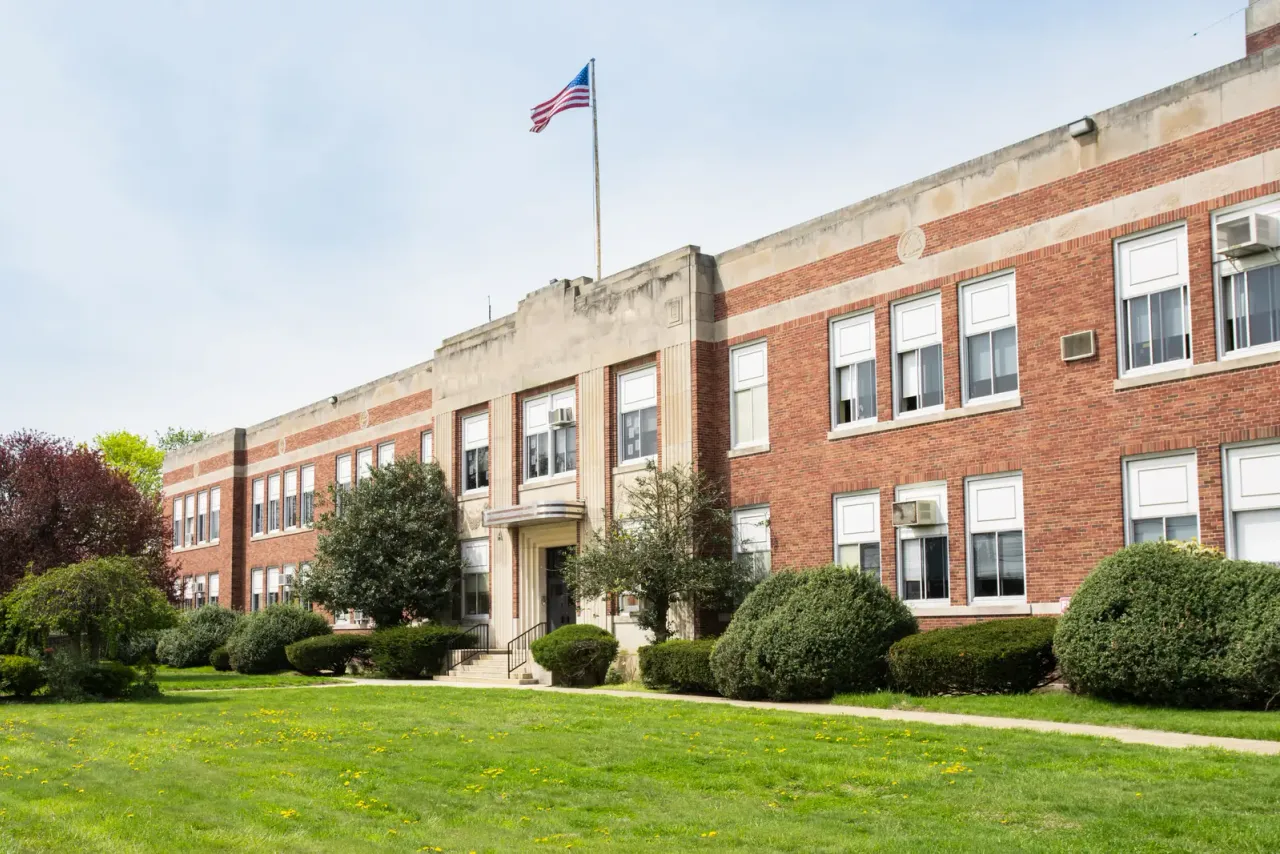
APPA cleaning levels are five appearance standards from APPA, the association of educational facilities professionals: Level 1 Orderly Spotlessness, Level 2 Ordinary Tidiness, Level 3 Casual Inattention, Level 4 Moderate Dinginess and Level 5 Unkempt Neglect. Each level describes how floors, surfaces, washrooms, lights and trash containers look, and APPA's custodial staffing guidelines tie each level to the area one custodian can maintain. Schools, universities and public agencies use them to set the standard in custodial specifications, size staffing and score inspections.
The five levels, side by side
APPA describes each level by what an inspector sees. The summary below follows those published descriptions; Level 1 is the highest standard and Level 5 the lowest.
| Level | Floors and base molding | Surfaces and lights | Washrooms and trash |
|---|---|---|---|
| Level 1 | Bright and clean, fresh colors, no buildup in corners or along walls | No dust, marks, streaks or fingerprints; all lights work, fixtures clean | Fixtures and tile gleam, odor-free, supplies adequate; trash holds only daily waste |
| Level 2 | Bright, no corner buildup, but up to two days of dust, dirt or streaks | Clean, though marks and fingerprints are noticeable up close; lights work | Fixtures gleam and are odor-free; trash holds only daily waste |
| Level 3 | Swept or vacuumed but stained up close; buildup in corners; dull or matted lanes | Obvious dust, marks, smudges and fingerprints; lamps work, fixtures clean | Trash holds only daily waste and is clean and odor-free |
| Level 4 | Dull, dingy and stained; obvious buildup; dull path or matted carpet | Conspicuous dust and marks; dirty fixtures, up to five percent of lamps out | Containers hold old trash, are stained and smell sour |
| Level 5 | Dirty, scuffed, matted; gum, dust balls and trash scattered | Major buildup, hard to remove; fixtures with dust and insects; many lamps out | Containers overflow, stained and sour |
Why Level 2 is the usual target
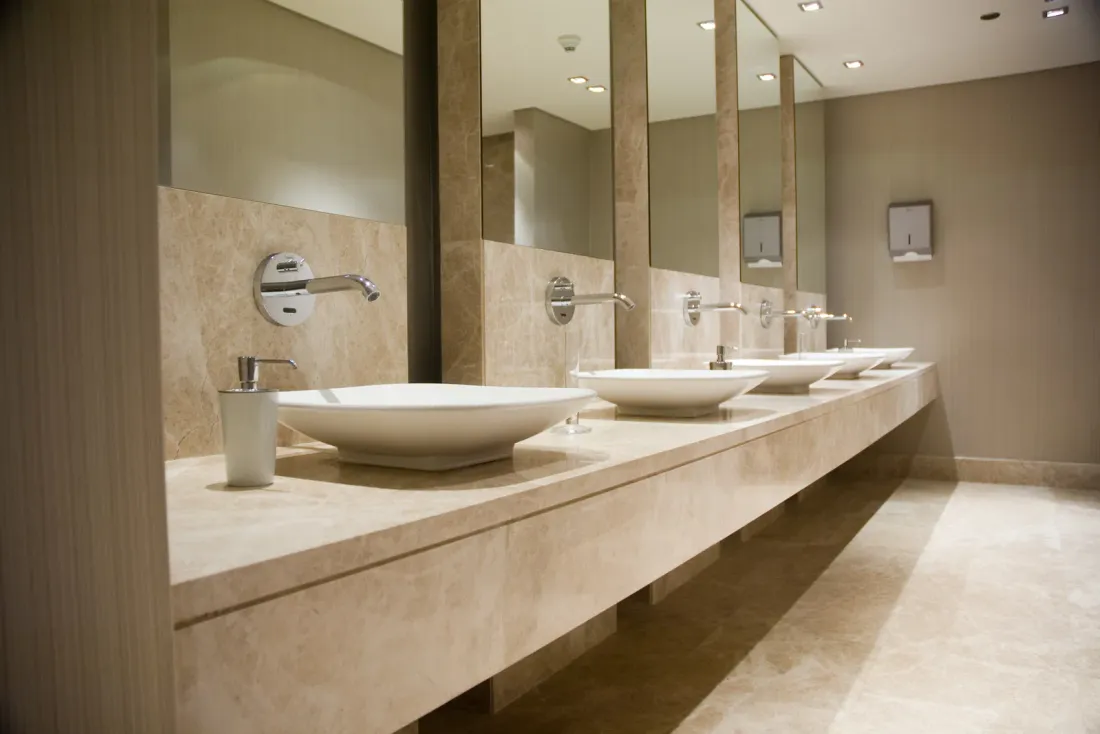
Many institutions aim for Level 2 in occupied space such as classrooms, offices and corridors, and hold restrooms, health rooms and food areas to the top two levels. Level 2 looks well kept to occupants while accepting that dust and fingerprints are noticeable on close inspection, which keeps staffing realistic.
Level 3 is often where budget cuts land without anyone choosing it: floors still get vacuumed and trash still gets emptied, but buildup appears in corners and smudges become obvious. Levels 4 and 5 are generally treated as unacceptable for occupied buildings, because sour trash containers and dirty fixtures become health and morale problems rather than appearance issues.
Writing APPA cleaning levels into a specification
A level only works in a contract if the specification explains how it will be applied and measured. Public agencies and districts that use levels well usually include these elements.
- The target level for each space type, not one level for the whole building
- APPA's level descriptions attached as an exhibit, so both sides read the same words
- A task and frequency schedule consistent with the target level
- An inspection method: who inspects, how rooms are sampled and how scores are averaged
- Periodic floor and carpet work, since floor appearance drives several criteria
- A staffing plan from each bidder showing how the target level will be reached
How levels connect to staffing and budget
The practical value of the levels is in budget conversations. APPA's staffing guidelines assign an area per custodian for each level, and that area grows sharply as the level drops. A facilities director can therefore show a board what a staffing cut will look like in plain terms: corridors moving from Level 2 to Level 3, for example, with the buildup and smudges that come with it.
The same logic works in reverse. If an agency wants Level 2 restrooms across a campus, the specification has to fund the labor that level requires, and bids that promise Level 2 with Level 3 staffing deserve close questions.
Limits of an appearance standard
APPA levels describe how a space looks, not whether surfaces are disinfected or microbially clean. A restroom can gleam and still carry pathogens on handles that were wiped with the wrong product or not left wet long enough.
For clinical rooms, food areas and labs, pair the level with written protocols for disinfectants, contact times and tools, and consider verification methods beyond visual inspection. Offices, government buildings and other private facilities can borrow the levels too, since they give any building a shared vocabulary for how clean is clean enough.
Specifications that name a level, and EBS
EBS brings public-sector experience in government and secure-facility operations. Its cleaning plans can be organized by area, frequency, service window and inspection standard, including the APPA level a specification names, and supervisors record eHub inspection results and corrective actions against that standard.
Related questions
Still not sure? A supervisor can answer at the walkthrough.
Request a walkthroughAll questionsWhich APPA level should a school aim for?
Most schools and campuses target Level 2 for classrooms, offices and corridors, with restrooms, health offices and food areas held to the top two levels. The right answer depends on budget, building age and use, so choose a level per space type and fund the staffing it needs.
Who publishes the APPA levels?
APPA, which now calls itself APPA: Leadership in Educational Facilities; its initials come from an earlier name, the Association of Physical Plant Administrators. The levels appear in its custodial staffing guidelines for educational facilities, which also relate each level to custodial workloads.
How is an APPA inspection scored?
Inspectors walk a sample of rooms and rate each element, such as floors, surfaces, fixtures and trash, against the level descriptions. Ratings are averaged into a level for the room, building or campus, and tracked over time to show whether appearance is improving or slipping.
Can private buildings use APPA levels?
Yes. Although APPA wrote them for educational facilities, office buildings, government properties and corporate campuses use the same descriptions to define expectations. They are especially useful when several buildings or vendors must be held to one written standard.
Keep reading
Free site walkthrough
Talk to EBS about your facility
A few details and a supervisor calls you back the same business day.
- Call(949) 375-3305
- Emailinfo@ebsmaintenance.com
- HoursDaytime, evening, overnight and weekend schedules