
Construction cleanup pricing
How Much Does Commercial Post-Construction Cleaning Cost?
Construction cleanup is bought in phases, and the dust the build leaves behind decides how long each phase takes.
The short answer
Post-construction cleaning cost is set by how many phases you buy (rough clean, final clean and touch-up), how much fine dust and residue the build left, the size and finish level of the space, and how compressed the schedule is before move-in. Hauling debris is usually the general contractor's job, so the cleaning price should cover dust, residue, glass, fixtures and floors rather than dumpsters. Tenant improvement suites and new buildings are typically priced per square foot for each phase, with extras listed separately.
How phase pricing works
Most cleanups are quoted one phase at a time, because each happens at a different point in the build and takes a different amount of labor. Buying only a final clean is common, but when the rough clean is skipped, the final clean takes longer and costs more, since the crew is removing weeks of dust instead of days.
| Phase | Timing | Main work | Pricing note |
|---|---|---|---|
| Rough clean | After drywall and major trades | Loose debris, sweeping, first dust removal | Lower per square foot |
| Final clean | After trades finish, before inspection | Every surface top to bottom, fixtures, glass, floors | The largest line |
| Touch-up | Just before move-in or after punch work | Resettled dust, fingerprints, floors | Short visit, smallest line |
Dust load: the driver behind post-construction cleaning cost
Drywall sanding produces a fine powder that settles on every horizontal surface, inside light fixtures, on diffusers and in window tracks, and it keeps coming back as the HVAC system runs and moves it around. Jobs with demolition, concrete grinding or saw cutting leave even more. If the air handlers ran during construction without proper filtration, dust may be spread well beyond the work area. Exposed ceilings add high dusting from lifts, and residue such as labels, paint overspray, caulk, grout haze and concrete splatter all take hand work with the right tools.
Tenant improvement cleaning cost versus a new building
A tenant improvement suite inside an occupied building is small, but it often costs more per square foot. Crews must protect occupied corridors, book the freight elevator, follow building rules on hours and access, and sometimes clean overnight so neighbors are not disturbed. Finish level matters too: a suite with stone counters, glass walls and millwork needs more careful, slower work than one with standard finishes.
A ground-up building brings scale and different tasks. There is far more glass, often with construction residue on the outside, exterior hardscape to clean, and many trades still finishing punch items around the cleaning crew. Large areas lower the per-square-foot rate, but repeat trips caused by late trade work add it back.
What the price should and should not include
Disagreements on cleanup jobs usually come from inclusions, not rates. Agree in writing on which of these tasks are in the base price, which are priced as extras and which belong to the contractor or another trade before anyone starts.
- Usually included: dusting every surface, cleaning vent faces and fixture exteriors
- Usually included: interior glass and frames, label and residue removal
- Usually included: restrooms, cabinets inside and out, vacuuming and hard-floor cleaning
- Often extra: first finish coats on new resilient flooring
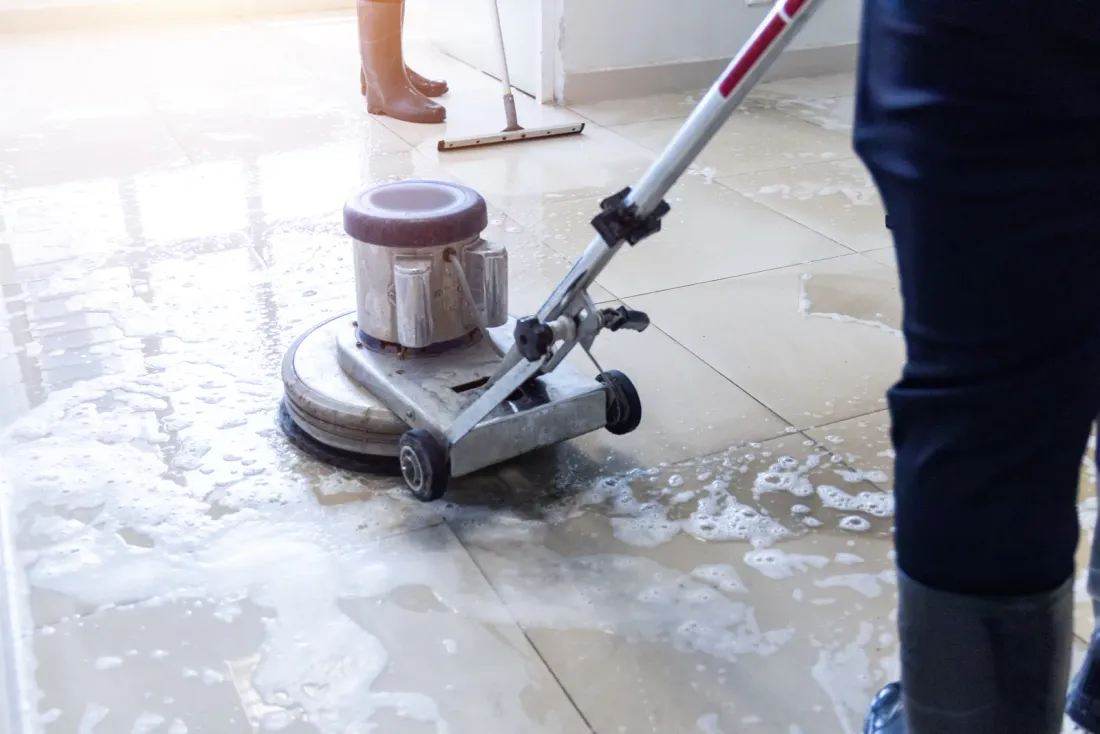
- Often extra: exterior glass above ground level, carpet extraction, pressure washing
- Often extra: high dusting of open ceilings and structure
- Usually excluded: hauling construction debris and dumpsters
- Usually excluded: duct cleaning and repair of finishes damaged by trades
Schedule compression and site conditions
A tight window between the last trade and the move-in date is one of the fastest ways to raise final clean pricing. A compressed schedule means a bigger crew or overtime, and trades still working on the punch list mean return trips. Active construction sites also require safety orientation, hard hats, vests and other protective equipment, and coordination with the superintendent.
Public projects carry one more check. California Labor Code section 1771 requires prevailing wages for workers on public works, and cleanup performed as part of a public works contract may be covered. Confirm with the public agency that owns the project or with the Department of Industrial Relations before comparing bids, because it changes labor cost substantially.
How EBS prices construction cleanup
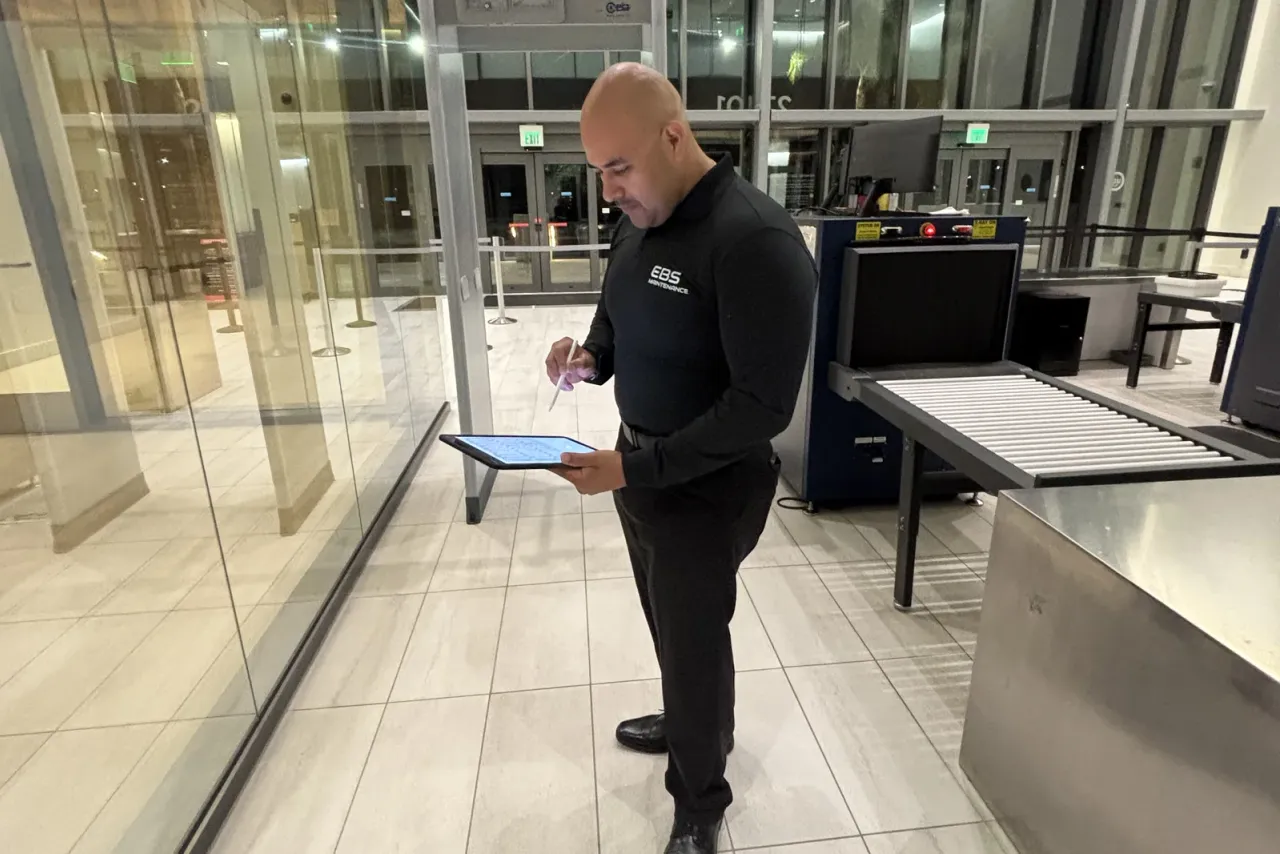
Post-construction cleanup sits within EBS's specialty and project work, alongside floor care, carpet extraction, glass and pressure washing, so the finishing tasks a cleanup needs can be handled under one project. After walking the space with the contractor or property manager, EBS can price each phase on its own line. Once tenants move in, the building can transition into a recurring janitorial program without changing vendors.
Related questions
Still not sure? A supervisor can answer at the walkthrough.
Request a walkthroughAll questionsIs construction cleanup cost per square foot a fair comparison?
Only if every bid covers the same phases and inclusions. One vendor may include interior glass and cabinet interiors while another treats them as extras. Line the bids up phase by phase and task by task, then compare the per-square-foot figures.
Who removes construction debris?
Usually the general contractor, who controls the dumpsters and the trades producing the waste. The cleaning crew removes small residual debris and packaging left behind after that. Put the line in the contract so neither side assumes the other is clearing the space.
When should the final clean be scheduled?
After all trades are finished, apart from minor punch items, and before the inspection or owner walk. Scheduling it too early means dust from late work settles on finished surfaces and the crew has to come back, which is why a short touch-up just before move-in is worth budgeting.
Should the cleanup vendor also handle janitorial after move-in?
It often helps. A crew that did the final clean already knows the finishes, the floor types and the access rules, and can plan the first floor finish and the recurring scope with that knowledge instead of starting cold with a new vendor.
Keep reading
Free site walkthrough
Talk to EBS about your facility
A few details and a supervisor calls you back the same business day.
- Call(949) 375-3305
- Emailinfo@ebsmaintenance.com
- HoursDaytime, evening, overnight and weekend schedules