
Scheduling guide
Office Cleaning Frequency: Building the Right Schedule
How many visits a week your office needs depends on who uses each space and how hard. Here is how to set it, room type by room type.
The short answer
An office cleaning frequency schedule should follow how many people use each space and how quickly it gets dirty, not one number for the whole building. Restrooms, break rooms and trash need attention every day the office is occupied, while private offices and storage areas can often drop to two or three visits a week. Medical suites inside office buildings sit at the top of the scale: clinical rooms are cleaned after every patient day, and waiting rooms often need a midday pass as well.
How often should an office be cleaned? Start with occupancy
Occupancy sets the baseline because people create the work: restroom use, food waste, tracked-in soil and fingerprints all rise with headcount. Visitor traffic matters as much as staff count, since a reception area that sees clients all day wears faster than a back-office floor with twice the employees.
Use the profiles below to find a starting point, then adjust room by room. Most buildings fall between two of these rows.
| Office profile | Full cleaning visits | Daytime coverage |
|---|---|---|
| Small professional office, few visitors | Two or three nights a week, with trash and restrooms on any extra busy day | Usually none |
| Fully occupied office, five days a week | Every weeknight | Optional midday restroom and kitchen check |
| Hybrid office with midweek peaks | Nightly on occupied days, a lighter pass on low days | On peak days only |
| Multi-tenant building with shared lobby and restrooms | Every night for common areas, by lease for suites | Day porter for lobby, restrooms and spills |
| Around-the-clock operation such as a dispatch or call center | A cleaning shift every day of the week | Continuous, split across shifts |
Frequency by space type
Within any office, rooms age at different speeds. Setting frequency per space type lets you spend hours where they matter instead of cleaning an empty conference room as often as a crowded kitchen.
- Restrooms: every occupied day, plus extra daytime passes once traffic is heavy enough that supplies run out by afternoon
- Kitchens and break rooms: every occupied day; counters and sinks again after lunch in busy offices
- Lobby and entrances: daily, since visitors judge the whole building here
- Open workstations: vacuuming two to five times a week; desk surfaces dusted when staff leave them clear
- Private offices: two or three times a week, with trash emptied whenever it is set out
- Conference rooms: daily if booked most of the day, otherwise two or three times a week
- Stairwells, storage and copy rooms: weekly, with spot cleaning between
Medical suites inside office buildings
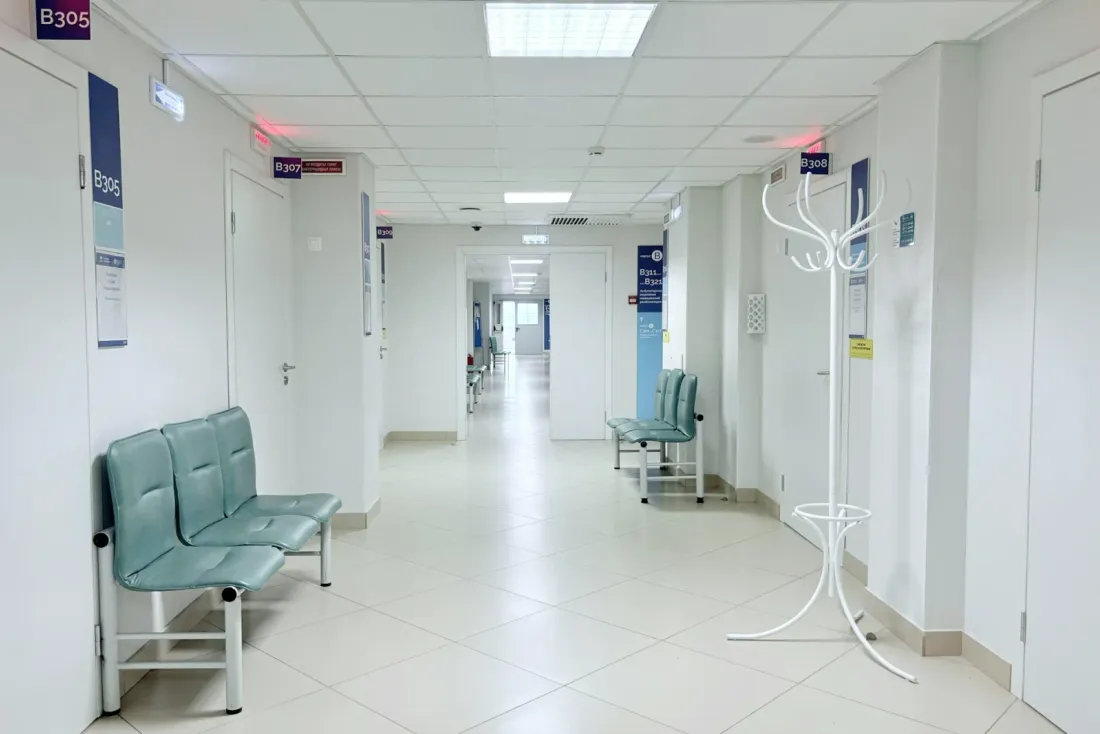
Many Southern California office buildings lease suites to dental, physical therapy, imaging and specialist practices. Those suites need their own schedule. Clinical staff normally wipe exam chairs and treatment surfaces between patients, while the janitorial crew cleans and disinfects exam rooms, restrooms and floors after every patient day, using disinfectants registered with the EPA and following the label contact time.
Waiting rooms in a busy practice often need a midday pass for seating, door hardware and the check-in counter. Sharps containers and regulated medical waste are handled by a licensed medical waste hauler, not the cleaning crew, and anyone who could contact blood falls under Cal/OSHA's bloodborne pathogens standard, Title 8 section 5193. A medical tenant also raises use of the building's shared restrooms, so check common-area frequency when one moves in.
Southern California conditions that shift the schedule
Seasons change the workload more than many managers expect. Winter storms, which arrive mostly between late fall and early spring, bring wet soil into lobbies and onto carpet at entrances, so entry mats and hard floors near doors may need daily attention in those months even if they are weekly the rest of the year.
In fall, Santa Ana winds push fine dust through doors and onto sills, ledges and vents, which is a good time to bring periodic high dusting forward. Buildings near the coast see salt film build on entry glass faster than inland offices, and summer heat keeps buildings closed up with air conditioning running, so dusting of supply diffusers and return grilles matters more.
Reviewing your office cleaning frequency schedule as use changes
Treat frequency as a setting you review, not a number you set once. A quarterly look at complaints, supply usage and inspection results shows quickly whether a space is over- or under-served.
Signs that frequency is too low include soap and paper running out before the end of the day, trash overflowing on Mondays, dust visible on sills and odors in the kitchen. Signs that it is too high include bins that are nearly empty every visit and carpets that show no soil between vacuuming. Change one space type at a time and watch the next month of inspections before changing another.
How EBS sets frequency for your building
During the walkthrough, an EBS Maintenance supervisor looks at headcount, visitor flow, restrooms, flooring and any medical or restricted suites, then proposes a frequency for each space type. Schedules can run daytime, evening, overnight or on weekends, a day porter can be added for peak hours, and changes are confirmed in writing when your occupancy shifts. Call (949) 375-3305 to arrange a visit from the Corona office.
Related questions
Still not sure? A supervisor can answer at the walkthrough.
Request a walkthroughAll questionsIs cleaning three times a week enough for an office?
It can be for a small office with light visitor traffic, provided restrooms and kitchen trash do not go unattended on the off days. Many three-night offices add a short daily restroom and trash service, or ask staff to handle kitchen wipe-downs between visits.
Do floors that are mostly empty still need regular cleaning?
Yes, but less of it. Dust still settles, HVAC still runs and restrooms on that floor may still be used. A weekly visit for dusting, vacuuming and a restroom check is usually enough until occupancy returns.
Should an office cleaning schedule change in the rainy season?
Yes, for entrances and floors. Increase mat cleaning and hard-floor mopping near doors during wet weeks, and consider extra carpet spot-cleaning in the first rooms people walk into. The rest of the schedule can stay the same.
Keep reading
Free site walkthrough
Talk to EBS about your facility
A few details and a supervisor calls you back the same business day.
- Call(949) 375-3305
- Emailinfo@ebsmaintenance.com
- HoursDaytime, evening, overnight and weekend schedules