
Safety prequalification
What Is a Cleaning Contractor's EMR Safety Rating?
Plants, utilities and large campuses often ask janitorial bidders for an EMR before they ask for a price. Here is what the number does and does not tell you.

The short answer
A cleaning contractor EMR, or experience modification rate, compares the contractor's actual workers' compensation losses with the losses expected for a company of its size and type of work. In California the WCIRB publishes it as a percentage, where 100 is average, below 100 is better than average and above 100 is worse; most other states express it as a decimal around 1.00. Facilities use it to screen contractors, but because it is built from claims that are several years old, it should be read alongside injury logs, the safety program and trends.
What a cleaning contractor EMR measures
Workers' compensation premiums start from a rate for each classification of work. Once an employer is large enough to qualify for experience rating, its own claims history adjusts that rate up or down. The adjustment factor is the experience modification. It is a financial measure of claims, not a direct count of injuries or a safety inspection score.
For a janitorial company, the claims behind the number usually come from slips, lifting strains, cuts from sharp objects in trash, chemical exposure and falls from ladders, the routine hazards of cleaning work.
Reading the number
A single figure is a starting point. The context below is what turns it into a decision.
| Result | What it suggests | What to ask next |
|---|---|---|
| Below average (under 100 in California, under 1.00 elsewhere) | Fewer or less costly claims than expected | Three-year trend and the safety program behind it |
| About average | Typical experience for the classification | Injury rates, training records, recent changes |
| Above average | More or costlier claims than expected | Root causes and the corrective actions taken |
| No modification issued | Usually too small to qualify for experience rating | Insurer loss runs and injury logs instead |
How California calculates the X-Mod
In California the Workers' Compensation Insurance Rating Bureau (WCIRB) calculates the modification, which it calls the X-Mod, as actual losses divided by expected losses. Expected losses come from the employer's payroll in each classification and the statistical average losses for similar businesses. The WCIRB splits each claim into a primary and an excess portion and gives full weight to the primary portion, so a run of smaller claims tends to move the number more than one large claim does.
The experience period covers three years of payroll and losses and ends well over a year before the modification takes effect. A contractor's current number therefore reflects claims from roughly two to five years ago. The WCIRB releases this confidential information only to the policyholder, its insurer, its broker or a third party the policyholder authorizes, so the vendor has to supply it.
How large facilities use EMR in contractor prequalification
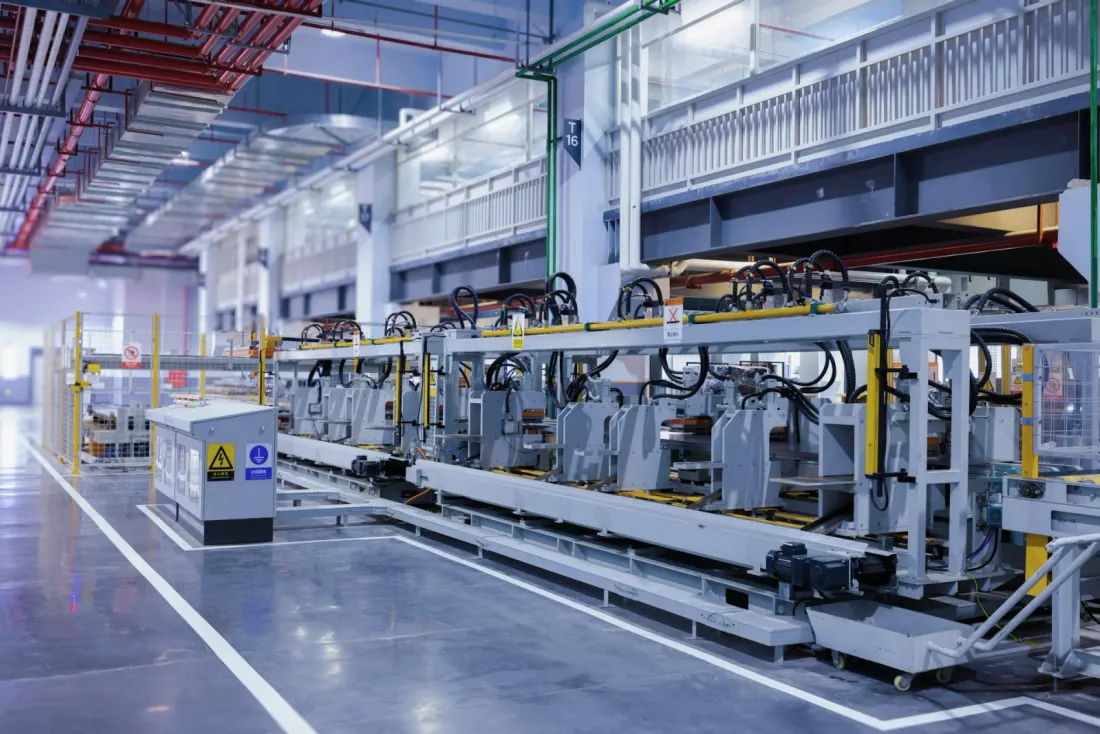
Industrial plants, utilities, aerospace and defense sites, and institutional campuses often run contractor prequalification, either in-house or through a third-party platform. EMR is typically one gate: a maximum is set, and bidders above it must explain or are screened out. Other gates follow, including recordable injury rates, a written Injury and Illness Prevention Program under Title 8 section 3203, training records and any Cal/OSHA citation history, which can be searched in federal OSHA's establishment search.
For janitorial work, the strongest prequalification files show the number, the trend and the program that produced them.
Where the EMR misleads
The lag is the main limit. A company that fixed a serious safety problem two years ago may still carry a poor number, while a company whose practices have recently slipped may still show a good one. Small employers swing hard on a single claim, and companies below the eligibility threshold have no modification at all.
Payroll reporting and classification errors can distort the result, and aggressive claims handling can lower it without making anyone safer. Treat the EMR as one input, never as proof that crews know how to work safely around chemicals, ladders, wet floors or sharps on your site.
What to request alongside the EMR
Ask for the same package from every bidder so the comparison is fair.
- Modifications for the last three years, with the WCIRB ratesheet or the insurer's letter
- Total recordable incident rate and DART rate (days away, restricted or transferred) for the same years, calculated as cases times 200,000 divided by hours worked
- Cal/OSHA Form 300A annual summaries
- The written Injury and Illness Prevention Program
- Training records for hazard communication, ladders, lifting and, for clinical sites, bloodborne pathogens under Title 8 section 5193
- The leading causes of recent injuries and what changed afterward
EBS and safety prequalification
EBS does not publish its modification on this site. If your prequalification requires one, request current documentation from every bidder, EBS included, and weigh it with the safety program behind it. EBS team members are trained before assignment, field supervisors oversee the work, and EBS has served government and secure facilities where contractor screening is a normal part of starting service.
Related questions
Still not sure? A supervisor can answer at the walkthrough.
Request a walkthroughAll questionsWhat EMR should a janitorial contractor have?
At or below average is the common expectation: 100 or lower in California, 1.00 or lower in states that use decimals. A slightly higher number with a clear downward trend and a strong program can be a better choice than a low number with no explanation behind it.
Why doesn't a small cleaning company have an EMR?
Experience rating applies only once an employer's premium size meets the rating bureau's eligibility threshold. Below it, there is no modification. Ask instead for insurer loss runs covering the last three to five years, plus injury logs and the written safety program.
Is EMR the same as a recordable injury rate?
No. EMR is a claims-cost ratio set by a rating bureau and used to price insurance. A recordable incident rate counts injuries per hours worked, from the employer's own injury log. Ask for both, because they can tell different stories about the same company.
Can a contractor improve its EMR quickly?
Not legitimately. Because the experience period ends well before the modification takes effect, improvements in safety take years to show. A sudden drop is worth a question; it may reflect corrected payroll data or a classification change rather than fewer injuries.
Keep reading
Free site walkthrough
Talk to EBS about your facility
A few details and a supervisor calls you back the same business day.
- Call(949) 375-3305
- Emailinfo@ebsmaintenance.com
- HoursDaytime, evening, overnight and weekend schedules