
Title 8 section 3396
How Does the Indoor Heat Rule Affect Warehouse Cleaning?
Inland warehouses can run hot by mid-afternoon, especially up near the roof deck. The indoor heat rule changes when and how cleaning crews work inside them.
The short answer
Cal/OSHA's indoor heat rule, Title 8 section 3396, applies inside a warehouse whenever the temperature reaches 82°F while employees, including contract cleaners, are present. Their employer must then provide cool drinking water, cool-down areas, preventive rest, close observation of new workers and of everyone during heat waves, training and a written plan. At 87°F (temperature or heat index), or at 82°F for workers in restrictive clothing or near high radiant heat, the employer must also measure and record conditions and use controls, which is why heavy cleaning in inland warehouses often moves to cooler hours.
When does section 3396 apply to cleaning crews?
The trigger is the temperature in the work area, not the season or the job title. Once an indoor area where cleaners work reaches 82°F with them present, the basic requirements apply: water, cool-down areas, preventive cool-down rest, emergency procedures, close observation, training and a written Heat Illness Prevention Plan, which may sit inside the employer's IIPP.
One exception covers short tasks: exposure from 82°F up to but not including 95°F for less than 15 minutes in any 60-minute period is excluded. That exception does not extend to shipping or intermodal containers during loading, unloading or related work, or to vehicles without working air conditioning, so a crew sweeping out containers at the dock should not count on it.
What changes at 87 degrees?
Higher readings add an assessment and control duty under section 3396(e). Controls follow an order: engineering controls such as fans, ventilation, cooling or isolating hot equipment come first, aiming to keep the temperature and heat index below 87°F (or the temperature below 82°F in the clothing and radiant heat cases) where feasible. Administrative controls such as schedules, pace and rest come next, and personal heat-protective equipment fills any remaining gap.
| Condition | What the employer must do |
|---|---|
| 82°F or above with employees present | Water, cool-down areas, preventive rest, close observation, emergency procedures, training, written plan |
| 87°F temperature or heat index | Measure and record the greater of the two, with date, time and location, and apply controls |
| 82°F with restrictive clothing or high radiant heat | The same measurement and control duties as at 87°F |
| Conditions about 10°F above the last reading | Take new measurements |
| Measurement records | Keep for 12 months or until the next measurements, whichever is later |
How warehouse cleaning schedules and crews adapt
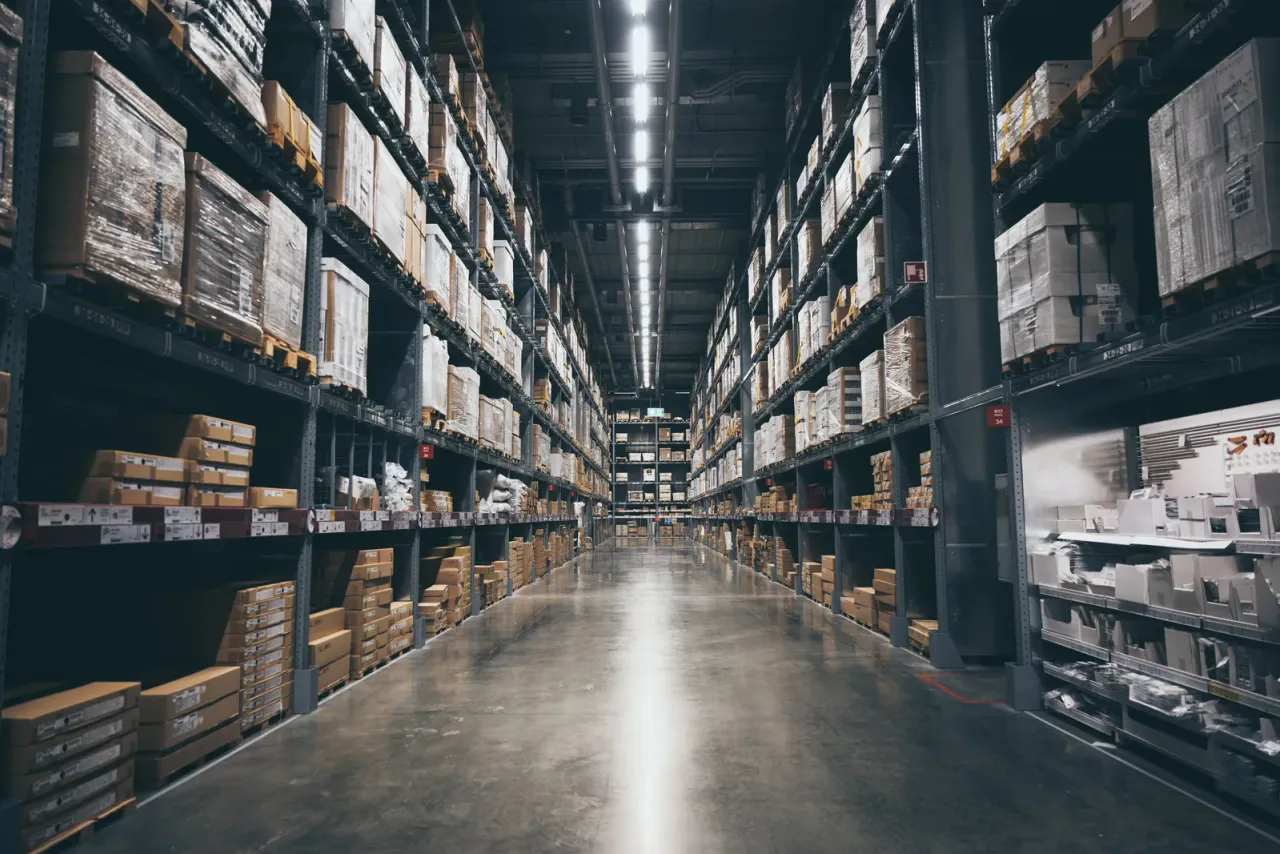
The practical answer is to move the hottest work to the coolest hours. In Inland Empire and Coachella Valley warehouses, an overnight or early-morning shift often keeps machine scrubbing, high dusting and dock cleaning below thresholds that a mid-afternoon shift would cross.
Heat is uneven inside a building. Air near the roof deck runs hotter than at floor level, so a cleaner dusting upper racking from a lift can face different conditions from the crew below. Docks with open doors pick up outdoor heat, and enclosed mezzanines trap it.
- Schedule high dusting and lift work for the coolest part of the shift
- Rotate cleaners between hot zones and cooler offices or break rooms
- Stage cool water near the work, not only in the break room
- Closely observe newly assigned cleaners for their first 14 days where the rule's conditions apply
- Watch every cleaner during a heat wave: a predicted high of at least 80°F that is at least 10°F above the average of the previous five days
- Allow a cool-down rest whenever a cleaner asks, and do not send them back for at least five minutes beyond the time needed to reach the cool-down area
Who is responsible: the warehouse operator or the cleaning contractor?
The contractor employs the cleaners, so it owes them the plan, training, water, observation and emergency procedures. The warehouse operator controls the building: HVAC, fans, dock doors, break rooms and any temperature data it already collects. Neither can meet the rule well alone.
Settle the practical points in writing. Can contract cleaners use the operator's air-conditioned break room as their cool-down area? Will the operator share its temperature readings? Who supplies water on the floor overnight? Who calls for help if a cleaner shows signs of heat illness at 3 a.m.?
Outdoor tasks fall under section 3395 instead
Yard sweeping, parking lot litter pickup and pressure washing truck courts or dock aprons are outdoor work, covered by Cal/OSHA's outdoor heat standard, Title 8 section 3395, rather than section 3396. Its triggers differ: shade must be available once the temperature exceeds 80°F, and high-heat procedures apply at 95°F and above. A crew moving between inside and outside during a shift needs a plan that covers both.
How EBS schedules warehouse cleaning
For warehouses and manufacturing, EBS treats overnight and weekend schedules as standard, which puts heavy floor scrubbing, dock cleaning and high dusting into the hours when buildings are cooler and quieter. Its industrial experience runs from single buildings to very large sites: EBS has serviced more than 10 million square feet, including over 1 million square feet under one contract. Supervisors document inspections and completed work, giving a site safety lead records to review.
Related questions
Still not sure? A supervisor can answer at the walkthrough.
Request a walkthroughAll questionsDoes the rule apply if the warehouse is air-conditioned?
Only in areas that actually reach 82°F with employees present. Many warehouses cool offices and break rooms but not the main floor or docks, so a cleaner can move in and out of coverage during one shift. Air-conditioned rooms make good cool-down areas.
Is the trigger the temperature or the heat index?
Both appear in the rule. The basic requirements start at a temperature of 82°F, while the assessment and control duties start when either the temperature or the heat index reaches 87°F. When measuring, the employer records whichever of the two is greater.
Do cleaners get extra breaks in the heat?
They must be allowed preventive cool-down rest whenever they feel the need, and a worker with symptoms must be monitored and kept off work until the symptoms ease. Schedules for hot shifts should leave room for these rests rather than treating them as lost time.
Do we have to share temperature records with our cleaning contractor?
The rule does not say so directly, but sharing helps both employers. The contractor has to assess conditions where its crew works, and a warehouse that already monitors temperature saves that effort and avoids conflicting readings. Agree on it in the service contract.
Does the rule cover cleaning shipping containers and trailers?
Yes, and the short-exposure exception does not help there. Work in shipping or intermodal containers during loading, unloading or related work is excluded from the 15-minute incidental exposure exception, so container and trailer cleaning should be planned as heat work on hot days.
Keep reading
Free site walkthrough
Talk to EBS about your facility
A few details and a supervisor calls you back the same business day.
- Call(949) 375-3305
- Emailinfo@ebsmaintenance.com
- HoursDaytime, evening, overnight and weekend schedules