
Inspection readiness
How Do You Deep Clean a Facility Before an Audit?
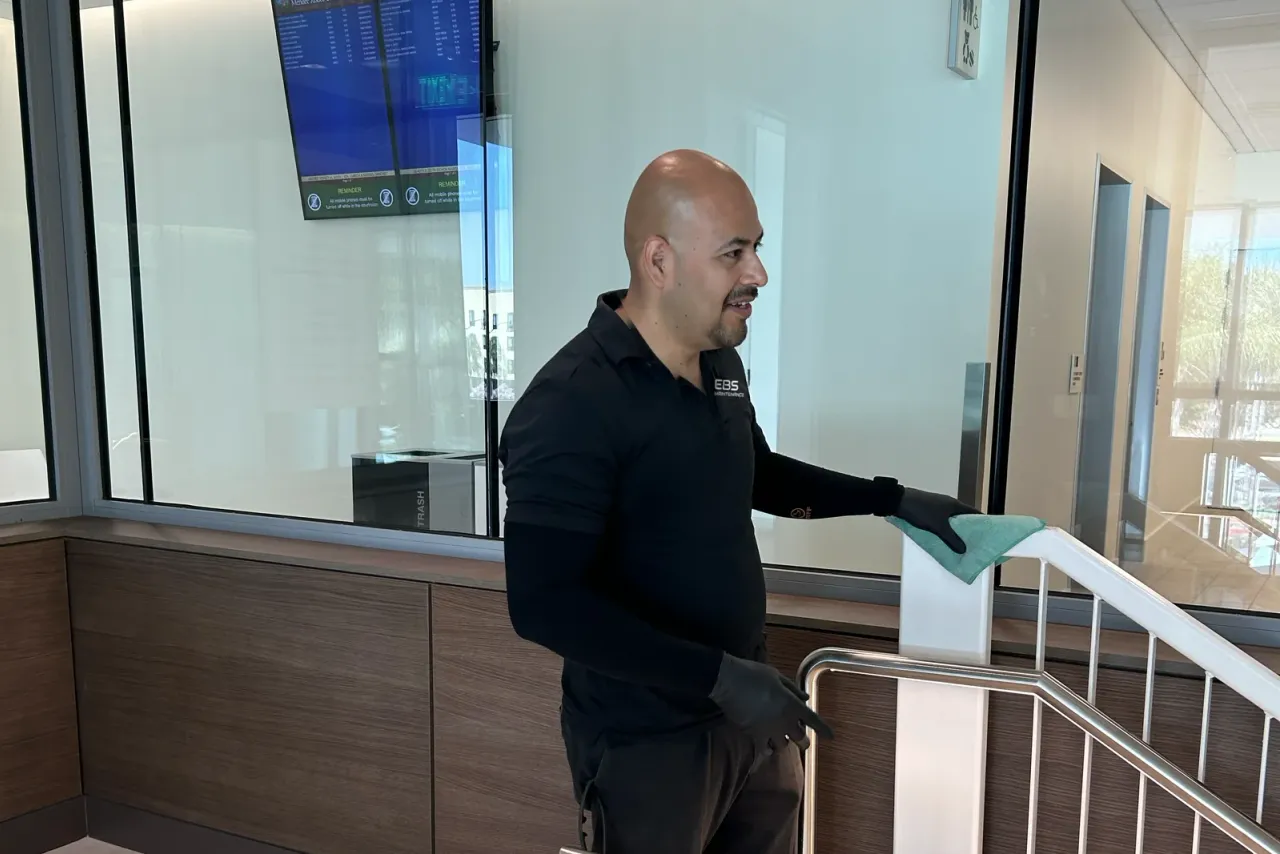
An auditor is not grading how clean the building looks on one day. They are judging whether cleaning is controlled, repeatable and recorded.
The short answer
To deep clean before an audit, start four to six weeks out with a walk of the site against the audit standard, schedule the heavy work (overheads, floors, behind and under equipment, drains, janitor closets) two to three weeks before the visit, and use the final week for detail cleaning and record checks. Auditors look for evidence that cleaning is routine and controlled, so logs, chemical labels, safety data sheets and written procedures must match what they see on the floor.
What different auditors look at
The standard being audited decides what a deep clean has to prove. Read the relevant section before planning the work, not after.
| Audit | What the standard expects | Cleaning focus |
|---|---|---|
| FDA drug GMP inspection | 21 CFR 211.56: buildings kept clean and sanitary, with written procedures assigning responsibility and describing schedules, methods, equipment and materials | Procedures, logs and visibly clean production support areas |
| Food safety (FDA or third-party scheme) | 21 CFR Part 117, including sanitary operations at section 117.35, plus scheme requirements such as SQF or BRCGS | Pest-free, dry, debris-free areas; chemical control |
| Medical device quality system | 21 CFR Part 820, which incorporates ISO 13485 work environment and contamination control requirements | Controlled areas and documented cleaning |
| Cleanroom certification and monitoring | ISO 14644-1 classification and ISO 14644-2 monitoring | Particle sources, gowning areas, cleaning records |
| Customer or ISO 9001 audit | Housekeeping and a controlled work environment | Order, labeling, clutter, visible upkeep |
A deep clean before an audit, week by week
This timeline suits an announced audit with a known date; unannounced inspections need the routine approach described in the questions below.
- Four to six weeks out: walk the site with the quality lead using the standard and the last audit's findings; list gaps; book lifts, floor work and outside services
- Three weeks out: overheads first (structure, lights, vents, diffusers), then walls, behind and under equipment, corners, drains and trench covers
- Two weeks out: floor restoration, such as scrub and recoat, strip and refinish, or carpet extraction, early enough for finishes to cure
- One week out: janitor closets, chemical storage and labels, the safety data sheet binder, mop heads and color coding; review cleaning logs and explain any gaps honestly
- The day before: restrooms, entries, glass, breakrooms and trash; a final walk of the expected audit route
- Audit days: a porter or on-call cleaner for spills and restrooms, and no wet floor work on the audit route
Inspection readiness cleaning: what auditors notice
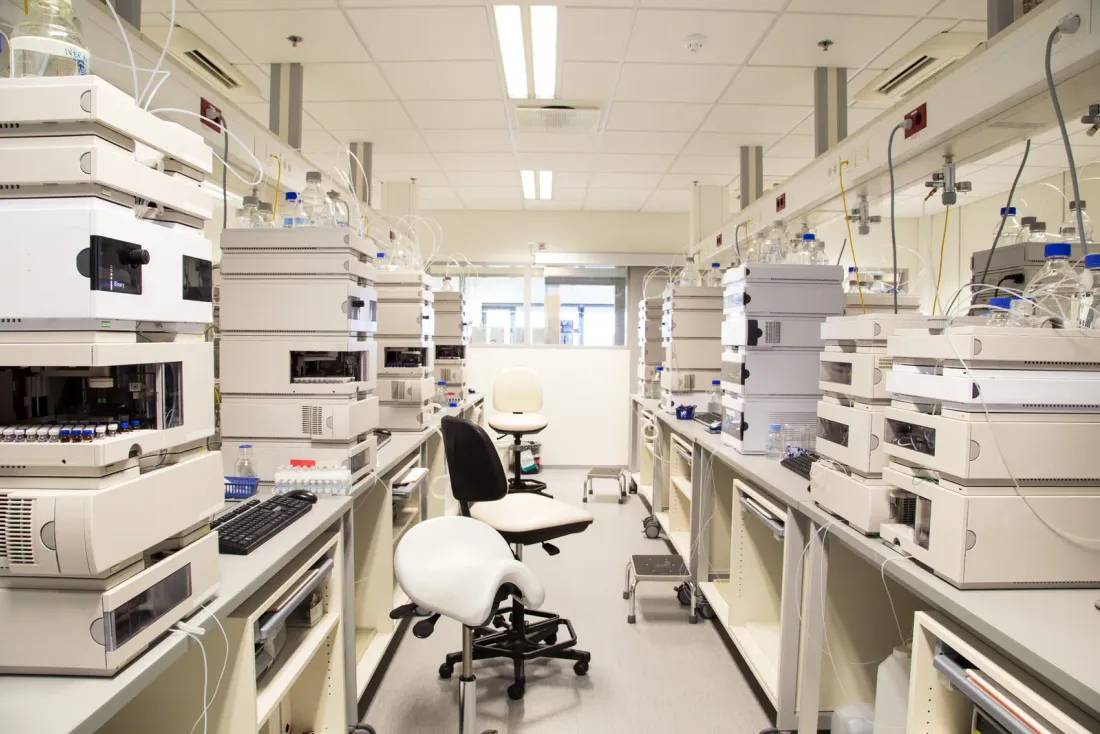
Auditors are trained to look up, down and behind. The findings that come from cleaning are usually the same short list: dust on overhead pipes, light fixtures and the tops of equipment; standing water, condensation or mold around drains and coolers; dirty or wet mop heads and buckets; clean and dirty equipment stored together; clutter in corners and under stairs; and signs of pests.
The janitor closet gets more attention than many managers expect. Unlabeled spray bottles, open containers, expired products and a missing or outdated safety data sheet binder all suggest that chemicals are not controlled. Cal/OSHA's hazard communication standard, Title 8 section 5194, is the reference for labels and data sheets, and food and drug auditors read chemical control as a contamination risk as well.
Do not change cleaning products before a GMP audit
In regulated manufacturing, cleaning agents and disinfectants are usually part of qualified procedures, sometimes with rotation schedules and efficacy data behind them. Switching to a new product the month before an inspection, even a better one, without going through change control creates a finding of its own. The same goes for new methods. The audit deep clean should use the same products and procedures as daily cleaning, just applied to more surfaces.
Auditors may also ask cleaners how they do their job. A cleaner who can explain the procedure, the contact time of the disinfectant and where the log is kept is better evidence than any shine on the floor.
Records that back up the clean
A spotless room with a messy logbook still fails the evidence test. Before the audit, check that cleaning logs are signed and dated by the person who did the work and were never filled in ahead of time or backfilled; that inspection records show corrective actions closed out; that training records cover everyone on the cleaning roster; and that the periodic task calendar shows when high dusting, floor care and drain cleaning were last completed.
How EBS supports audit preparation
EBS Maintenance documents its own quality work through eHub inspections, follow-up and corrective-action tracking, so a facility can show what was cleaned, when and what was fixed. Cleanroom programs are ISO and GMP aligned, with cleaning logs and service reports kept for audit readiness, and industrial programs include compliance-focused cleaning ahead of inspections. For the heavy work of an audit deep clean, EBS brings floor care, carpet, glass and pressure washing capacity, scheduled overnight or on weekends.
Related questions
Still not sure? A supervisor can answer at the walkthrough.
Request a walkthroughAll questionsHow far ahead should we schedule a pre-audit deep clean?
Book it four to six weeks out, and finish the heavy work at least two weeks before the audit. That gives floor finishes time to cure, leaves room to fix anything the deep clean uncovers, such as damaged surfaces or pest signs, and keeps the final week for detail work and records.
What if the audit or inspection is unannounced?
Then readiness has to be built into the routine. Put overheads, drains, floor care and janitor closets on a periodic calendar with completion dates, inspect against the audit standard monthly, and close findings quickly. A facility that relies on a pre-audit blitz is exposed every time an inspector arrives early.
Is an audit deep clean different from a regular deep clean?
The tasks overlap, but the purpose differs. A regular deep clean restores appearance and hygiene. An audit deep clean is planned against a specific standard, follows the facility's approved procedures and products, and leaves records that prove it happened.
Can floor refinishing be done the week of an audit?
Avoid it. Fresh finish can still smell, show marks or remain soft, and wet work can close routes the auditor wants to walk. Schedule refinishing two to three weeks before the visit and limit the final week to dust mopping, spot cleaning and burnishing where the finish allows it.
Keep reading
Free site walkthrough
Talk to EBS about your facility
A few details and a supervisor calls you back the same business day.
- Call(949) 375-3305
- Emailinfo@ebsmaintenance.com
- HoursDaytime, evening, overnight and weekend schedules